If you have lived in Onslow County through even one summer, you know the air here can feel like a wet towel. That same moisture is why mold remediation in Jacksonville, NC is one of the most common home service needs on the coast. Between humid summers, hurricane season and homes built over vented crawl spaces, mold has plenty of chances to take hold.
This guide covers what mold looks like here, where it hides, what it costs, when you can handle it yourself and how to hire someone who will fix the cause and not just the stain.
Quick answer: Mold needs moisture, so real remediation means finding and fixing the water source first, then removing or cleaning affected materials and drying the space. In the Jacksonville area, typical professional jobs often run from a few hundred dollars for a small, contained area to several thousand for a crawl space, attic or whole-room problem. Anything larger than roughly a 10-square-foot patch, or any mold that follows a leak or flood, is usually worth a professional assessment.
Key takeaways
- Mold is a moisture problem first. If the water source is not fixed, it comes back.
- Crawl spaces, attics, HVAC closets and bathrooms are the usual hot spots in Onslow County homes.
- Small, surface-level patches can be a DIY job; hidden, large or post-flood mold calls for a pro.
- Costs depend on size, access and how much material has to come out. Treat all figures as estimates and get written quotes.
- Mold after a storm should be handled quickly, ideally within days of the water arriving.
If you already know water got into your home, you can request help with water damage restoration from a vetted local pro using the form on this page.
Why Mold Is Such a Problem in Jacksonville and Onslow County
Eastern North Carolina combines warm temperatures, high humidity and frequent rain. Add salt-laden coastal air and a hurricane season that runs June through November, and you have conditions mold loves.
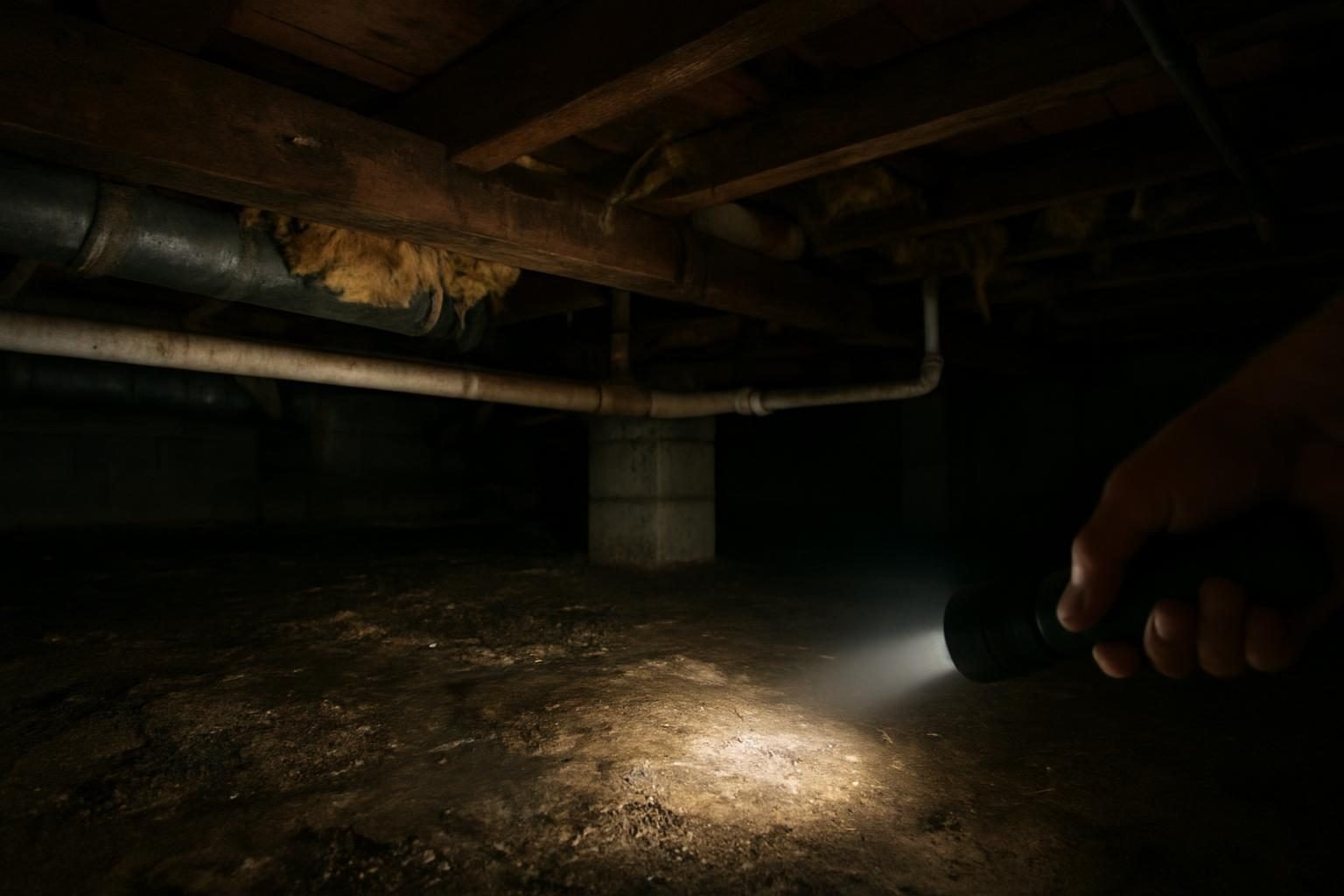
Many homes in Jacksonville, Hubert, Sneads Ferry and Richlands sit on crawl spaces or have attics that bake in summer. Warm, moist air meets cooler surfaces, condensation forms, and mold gets started.
Newer, tighter homes are not immune. A well-sealed house traps moisture if the AC is oversized, a drain line clogs or a bathroom fan vents into the attic instead of outside.
What mold needs to grow
- Moisture: leaks, condensation, flooding or persistently high humidity.
- Organic material: drywall paper, wood, insulation backing, carpet and dust all qualify.
- Time: mold can start growing within a day or two of materials getting wet and staying wet.
- Warmth: a given in coastal North Carolina for most of the year.
Signs You May Have a Mold Problem
Mold is not always visible. Your nose and your eyes both matter.
- A musty, earthy smell that gets stronger when the AC kicks on or after rain.
- Dark, fuzzy or speckled patches on walls, ceilings, grout or around windows.
- Peeling paint, bubbling drywall or warped baseboards.
- Visible condensation on windows or ductwork.
- Past leaks, roof damage or flooding that were never fully dried out.
- Allergy-like symptoms, such as congestion, coughing or itchy eyes, that ease when you leave the house.
None of these alone proves you have mold, and health effects vary a lot from person to person. If anyone in the home has asthma, a compromised immune system or other respiratory concerns, talk to a doctor and take moisture problems seriously.
Local tip: If you are renting off base or PCSing into a house you have not lived in through a summer, check closets, the water heater area and the HVAC closet for a musty smell, and photograph anything suspicious at move-in so it is documented.
Common Mold Hot Spots in Coastal NC Homes
Crawl spaces
This is the big one. Vented crawl spaces pull in humid outside air that condenses on cooler surfaces. Sagging insulation, damp soil and standing water can all feed mold on joists and subflooring.
If your crawl space is the source, remediation is often paired with moisture control. Our guide to crawl space encapsulation cost in Jacksonville explains what that involves and whether it pays off.
Attics
Roof leaks, poor ventilation and bathroom fans that dump into the attic can leave mold on roof decking and insulation. A small roof leak can go unnoticed for months. If you suspect one, a roof leak repair pro should find and fix it before any mold cleanup.
HVAC closets, ducts and air handlers
Clogged condensate lines, dirty coils and oversized units can leave moisture where you do not want it. Warning signs include water around the air handler and a musty smell at the vents. Our list of signs your AC is failing in eastern North Carolina covers what to watch for, and AC repair may be part of the fix.
Bathrooms, kitchens and laundry areas
Slow plumbing leaks behind walls and under sinks are classic mold starters. If you find one, see our guide to how much a plumber costs in Jacksonville before you call.
Killing mold without fixing the moisture source is like mopping the floor while the faucet is still running.

Mold After a Storm or Flood
Hurricanes and tropical storms are the other major trigger in Onslow County. Wind-driven rain, roof damage, storm surge and flooded crawl spaces can saturate a home fast.
The clock matters. Materials that stay wet for more than a day or two are at real risk, so drying and removal should start as soon as it is safe to enter.
- Stay safe first. Watch for electrical hazards, structural damage and standing water.
- Stop the source. Tarp the roof, shut off leaking water lines and pump out standing water.
- Document everything. Photos and video help with insurance claims.
- Start drying. Remove soaked carpet and pad, run fans and dehumidifiers, and open the space up where it is safe to do so.
- Get an assessment. A restoration or remediation pro can check moisture levels behind walls and under floors.
For the bigger picture, see our guides on storm damage repair in Jacksonville and emergency roof repair after a hurricane. Homeowners in the Topsail area may want to look at water damage restoration in Sneads Ferry, and our Hubert water damage and storm repair guide covers that side of the county.
Not sure what your policy will pay for? Read does homeowners insurance cover water damage in North Carolina, and check your policy language on mold specifically, since coverage is often limited or excluded.
If your home took on water, you can request water damage restoration help from a vetted local pro and get drying started before mold does.
DIY Mold Cleanup vs. Hiring a Professional
Some mold you can handle. Some you should not touch. A rough guide:
| Situation | DIY reasonable? | Why |
|---|---|---|
| Small surface mold on tile, grout or a shower wall (under about 10 sq ft) | Usually yes | Non-porous surfaces clean up well with detergent and water, plus gloves and a mask |
| Mold on drywall, insulation or carpet | Rarely | Porous materials usually have to be removed, not cleaned |
| Mold in a crawl space or attic | Usually no | Hard access, spore spread and hidden moisture sources |
| Mold after a flood or sewage backup | No | Contamination and moisture extent need professional handling |
| Mold in or near HVAC ductwork | No | Spores can spread throughout the house |
| Anyone in the home has respiratory issues | No | Safer to let trained, protected crews handle it |
If you do clean small areas yourself, wear gloves, eye protection and an N95 respirator, ventilate the space and avoid mixing cleaning products. Fix the moisture source the same day, or the mold will return.
What Mold Remediation Costs in Jacksonville, NC
Prices vary widely by the size of the affected area, how hard it is to reach, how much material is removed and whether repairs afterward are included. The ranges below are rough, typical estimates only, not quotes. Get written estimates from licensed, insured companies.
| Job type | Typical range (estimate) | What drives the price |
|---|---|---|
| Mold inspection or testing | Roughly a few hundred dollars | Home size, number of samples, report detail |
| Small contained area (a closet, a wall section) | Several hundred to a couple thousand dollars | Material removal, containment, cleaning |
| Single room or attic section | Often low to mid thousands | Drywall and insulation removal, air scrubbing |
| Crawl space remediation | Often mid thousands, more with encapsulation | Access, square footage, moisture control work |
| Whole-house or post-flood remediation | Can reach well into five figures | Extent of water damage, rebuild scope |
Remediation is separate from rebuilding. Replacing drywall, flooring, insulation or subfloor is usually a different line item, so ask whether a quote covers cleanup only or restoration too.
The cheapest mold quote is often the one that skips the moisture fix. Ask what happens after the cleanup, not just during it.
How to Hire a Mold Remediation Company
After a big storm, out-of-town crews and pop-up companies appear fast. Not all are reputable. Our guide on hiring a contractor after hurricane damage in North Carolina is worth reading before you sign anything.
Questions to ask every company
- Are you licensed and insured, and can I see proof?
- Do you identify and address the moisture source, or only clean the mold?
- What containment and air filtration will you use to keep spores from spreading?
- Will you provide a written scope of work with itemized pricing?
- Do you do the rebuild, or only the remediation?
- How will you confirm the job is done, such as moisture readings or post-remediation verification?
- What warranty or follow-up do you offer?
Red flags
- Pressure to sign immediately, especially right after a storm.
- A large cash deposit demanded up front.
- No written estimate or vague scope of work.
- A promise to “permanently” eliminate mold with no mention of moisture control.
- Fogging or spraying as the only treatment.
Local tip: Ask whether the company has worked on homes in your area and your foundation type. Crawl space homes in Hubert and Sneads Ferry behave differently than slab homes in a newer Jacksonville subdivision.
Preventing Mold From Coming Back
Prevention is mostly humidity and water control.
- Keep indoor humidity roughly in the 30 to 50 percent range, using a dehumidifier if needed.
- Service your AC regularly and keep condensate lines clear.
- Run bathroom and kitchen fans, and make sure they vent outdoors.
- Fix roof and plumbing leaks promptly.
- Keep gutters clean and grading sloped away from the foundation. See our foundation repair cost guide if drainage problems run deeper.
- Inspect your crawl space and attic at least once a year.
Pre-storm prep helps too. Our hurricane preparation checklist for Onslow County homeowners includes steps that reduce water intrusion, and hurricane shutters can help keep wind-driven rain out. Mold and wood-damaging pests often share the same damp conditions, so it helps to read up on how to prevent termites in coastal North Carolina homes as well.
If you are weighing a purchase, mold history is a good thing to ask about. Our guide to buying a home in Jacksonville covers inspections and VA loan basics.
Ready to deal with moisture or mold damage? Use the form on this page to request water damage restoration from a vetted local pro.
FAQ: Mold Remediation in Jacksonville, NC
How do I know if I have mold in my home?
Look for a persistent musty smell, visible dark or fuzzy growth, water stains, peeling paint and condensation. Hidden mold in walls, crawl spaces and attics is common, so a professional inspection may be needed if you suspect a problem but cannot see it.
How much does mold remediation cost in Jacksonville, NC?
Small contained jobs can run from several hundred to a couple thousand dollars, while rooms, attics and crawl spaces often reach the low to mid thousands. Post-flood or whole-house work can cost much more. These are rough estimates, so get written quotes.
Does homeowners insurance cover mold?
It depends on your policy and the cause. Mold resulting from a covered water loss may be partly covered, but many policies limit or exclude mold, and flood damage typically needs separate flood coverage. Review your policy and talk to your agent.
Can I just bleach the mold away?
Bleach may lighten stains on hard surfaces but does not solve the moisture problem and does not work well on porous materials like drywall or wood. Fix the water source and remove or properly clean affected materials instead.
How soon does mold grow after a storm or leak?
Mold can begin growing within about 24 to 48 hours on wet materials. Drying out the space quickly is the best way to prevent it from taking hold.
Get water damage and mold help from Jacksonville pros
Tell us what happened and we will connect you with a vetted local restoration pro who can assess the damage and give you a written quote.