If you live in Jacksonville or anywhere in Onslow County long enough, you will go through a hurricane or tropical storm. The wind and surge get the headlines, but the weeks afterward are where homeowners make the decisions that decide how smoothly storm damage repair in Jacksonville, NC goes. This guide walks through what to do, in order, from the first hour after the storm to the final walkthrough with a contractor.
Whether you grew up here or just PCS’d in and are weathering your first season, the steps below apply equally. Need a hand lining up repairs? You can request help with storm damage repair from a vetted local pro using the form on this page.
Quick Answer: What to Do After a Hurricane in Jacksonville
Quick answer: Stay safe first (downed lines, floodwater and structural damage are the real dangers), photograph and video everything before you touch it, make temporary repairs to stop further damage (tarps, board-ups, water removal), call your insurance company right away, and hire a licensed, insured local contractor rather than a door-knocker who showed up after the storm. Keep every receipt.
Key takeaways
- Safety comes before cleanup: assume every downed line is live and every flooded room has electrical hazards.
- Document damage with photos and video before moving anything, and keep a running log of calls and receipts.
- Temporary repairs are expected by insurers and often reimbursable, so protect the home but save the receipts.
- Verify any contractor’s license, insurance and local references before signing or paying a deposit.
- Coastal storm claims can involve separate wind, flood and named-storm deductibles, so read your policy early.
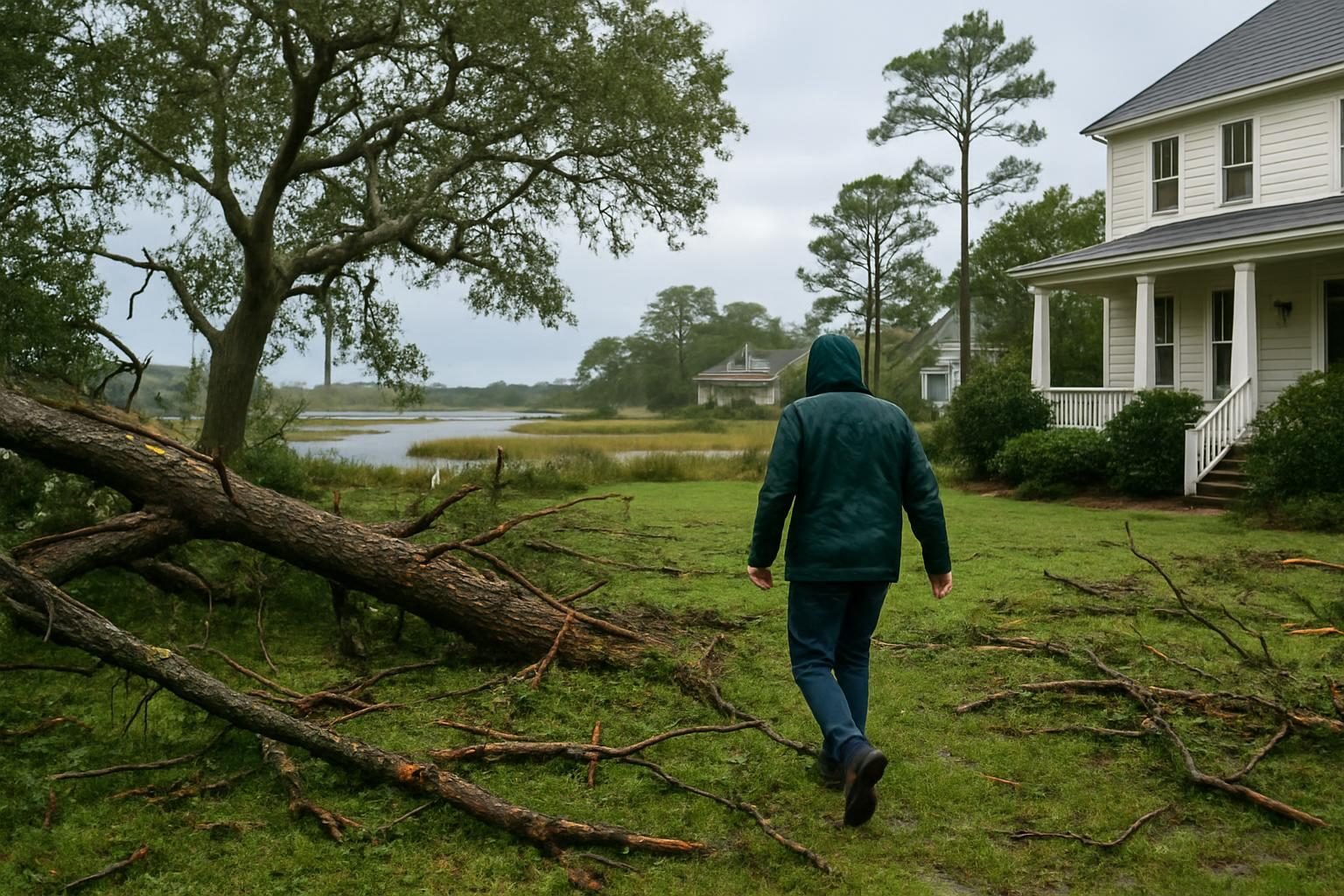
Step 1: Safety First, Before You Touch Anything
Do not re-enter your home until local officials say it is safe to return to your area. Onslow County and the City of Jacksonville post updates through their official channels, and it is worth knowing where to check before the storm arrives, not after the power goes out.
Once you are cleared to go back, treat the property like a hazard zone until you have walked it carefully.
Hazards to watch for
- Downed power lines: stay far back, assume they are live, and report them to the utility or emergency services.
- Standing or flood water: it can hide debris, carry contamination and may be energized if outlets or panels were submerged.
- Structural damage: sagging ceilings, shifted walls, cracked foundations or a leaning porch mean you should stay out until a pro looks at it.
- Gas smell: leave immediately, do not flip switches, and call from outside.
- Generator fumes: never run a generator in a garage, carport or near a window. Carbon monoxide poisoning spikes after storms.
- Chainsaws and tree debris: leaning or hung-up limbs are unpredictable, so leave big trees on roofs to licensed tree crews.
If the electrical panel or outlets got wet, keep the power off and have a licensed electrician inspect before restoring service. If you are planning ahead for the next storm, a whole-house generator installed by a licensed pro is far safer than improvised hookups.
Assume every downed line is live and every flooded room has an electrical hazard until a professional says otherwise.
Step 2: Document Everything Before You Clean Up
Your insurance claim is only as strong as your records. Before you move furniture, haul debris or pull up carpet, capture the damage as it is.
- Walk the exterior first. Photograph the roof (from the ground, never climb up), siding, windows, doors, fences, sheds, trees and any damage to vehicles.
- Go room by room inside. Take wide shots and close-ups of ceilings, walls, floors, and anything affected.
- Shoot video narration. Slowly walk through and describe what you see and the date and time.
- Make a damaged-items list. Include brand, approximate age and estimated value. Receipts and old photos help.
- Note water lines. Photograph how high water reached on walls, with a tape measure in frame if possible.
- Keep a log. Write down every call: who you spoke to, the date, and what they said, plus any claim numbers.
Keep damaged items (or photos of them) until the adjuster has seen them or approved disposal. Back up your photos to the cloud right away, because phones get lost and soaked in storms.
Local tip: Before hurricane season starts each June, film a slow walkthrough of every room and the exterior and store it in the cloud. A “before” video makes proving what you lost far easier, and military families moving between duty stations should do this at every new address.
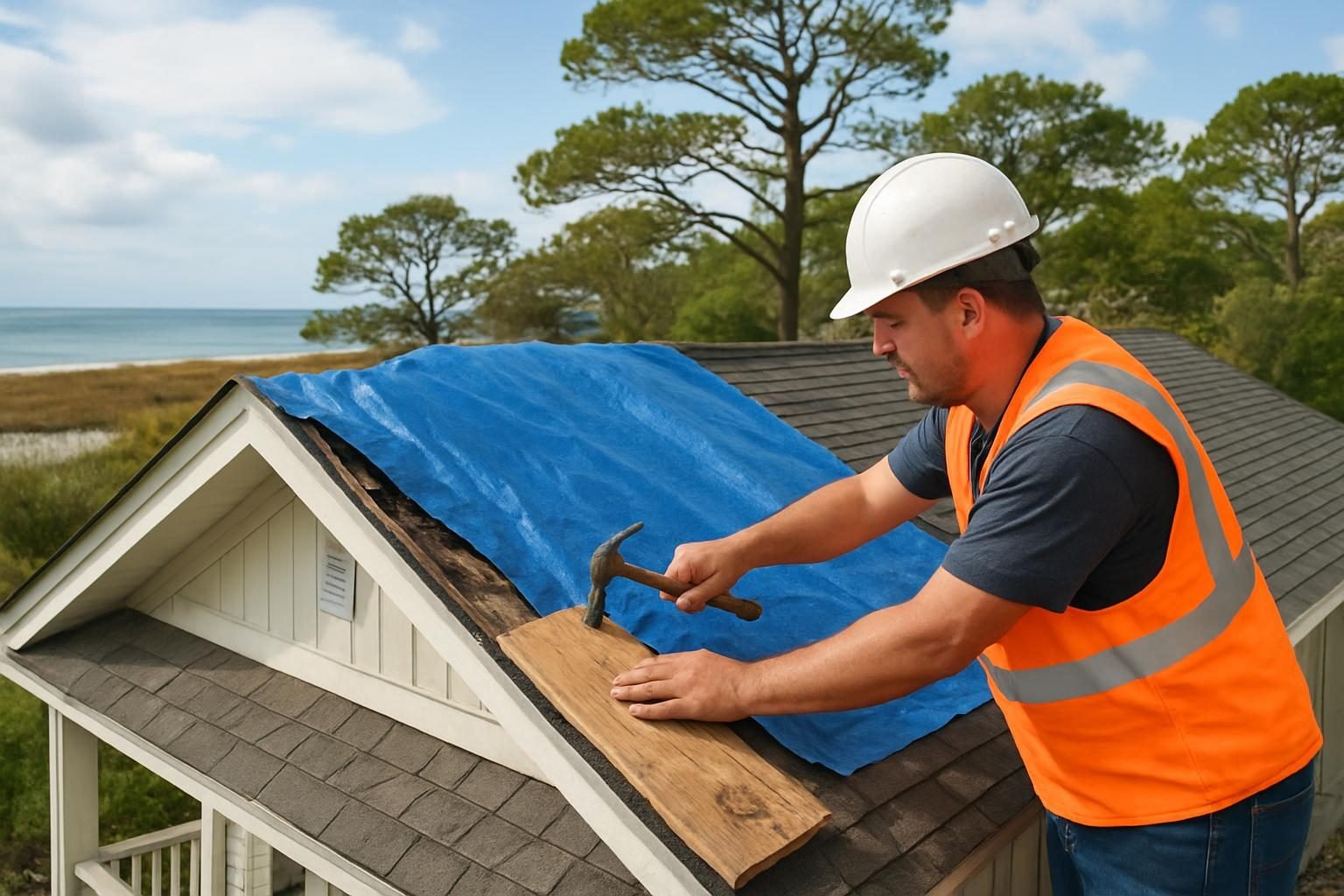
Step 3: Temporary Repairs to Prevent Further Damage
Most policies require you to take reasonable steps to protect the property from additional damage. That means acting quickly, but not doing permanent repairs before your insurer has had a chance to look.
Common temporary measures
- Roof tarping: a properly secured tarp over missing shingles or an open section keeps rain out. If you can, hire a pro rather than climbing a wet roof yourself. For more on this, see our upcoming guide to emergency roof repair after a hurricane.
- Board-ups: plywood over broken windows and doors keeps out weather and deters theft.
- Water extraction: remove standing water and start drying fast. Mold can begin growing within a day or two in our humidity. Our guide to water damage restoration in Jacksonville covers the steps, timeline and costs.
- Shutting off utilities: if you have burst pipes or flooding, turn off the water main. Call an emergency plumber for supply line failures.
- Moving belongings: relocate undamaged items out of wet or exposed rooms.
Keep every receipt for tarps, plywood, equipment rental and emergency labor. Many policies reimburse reasonable emergency repair costs, but confirm that with your carrier.
Protect the house first, repair it second. Tarp and dry now, photograph everything, and let the adjuster see damage before permanent work begins.
Step 4: Filing Your Insurance Claim
Call your insurance company as soon as it is safe. Do not wait until you have repair estimates in hand, since many policies require prompt notice and claim lines get busy after a major storm.
Know which coverage applies
Coastal North Carolina policies can be more complicated than people expect. Several things can apply to one storm, and mixing them up leads to surprises.
| Type of damage | Usually handled by | What to check |
|---|---|---|
| Wind damage to roof, siding, windows | Homeowners policy | Your wind or hurricane deductible, which may be a percentage of the home’s insured value rather than a flat dollar amount |
| Rising water or storm surge flooding | Separate flood policy (often NFIP or private) | Flood is generally excluded from standard homeowners coverage, and there is often a waiting period for new policies |
| Rain entering through a storm-damaged opening | Often homeowners policy | Wording varies, so ask how your carrier treats it |
| Fallen trees on structures | Homeowners policy | Coverage for tree removal from the house vs. from the yard differs by policy |
| Temporary housing | Loss of use / additional living expense | Limits and time caps |
Policies differ, so treat this table as a starting point and read your own declarations page. Our upcoming explainer on whether homeowners insurance covers water damage in North Carolina digs into the wind-versus-flood distinction.
Tips for a smoother claim
- Get a claim number and write down the adjuster’s name and contact details.
- Submit your photos, video and itemized list promptly.
- Ask what your carrier will cover for temporary repairs and living expenses.
- Get your own written repair estimate from a licensed contractor to compare against the adjuster’s figures.
- Do not sign over your claim or sign a contractor’s “assignment of benefits” form without understanding it.
- If you disagree with a settlement, ask about the appraisal or dispute process and consider contacting the North Carolina Department of Insurance for guidance.
Military families may also have renters or landlord-related questions. If you rent off base, your landlord’s policy covers the structure, while your renters policy covers your belongings. If you live on base, contact your housing office for its process. Our on-base vs. off-base housing guide explains how the two situations differ.
Step 5: Licensed Local Contractors vs. Storm Chasers
After every major hurricane, out-of-area crews pour into the region. Some are legitimate and do good work. Others take deposits and disappear, or do shoddy repairs that fail the next storm. The way to protect yourself is process, not guesswork.
How the two compare
| Factor | Established local contractor | Storm chaser |
|---|---|---|
| Local presence | Real address, local references, years in the area | Temporary address or none; out-of-state plates |
| Licensing | Verifiable North Carolina license where required | Vague, or will not show it |
| Insurance | Provides current liability and workers’ comp certificates | Dodges the question |
| Payment terms | Reasonable deposit, payments tied to progress | Large cash upfront, pressure to sign today |
| Warranty | Written workmanship warranty and a place to find them later | Verbal promises |
| Pitch | Written estimate after inspecting the damage | Door-knocking and “we have leftover shingles” |
Red flags to walk away from
- Pressure to sign immediately or “before the price goes up.”
- A demand for full payment up front or cash only.
- Offers to “waive your deductible,” which is generally improper and can amount to insurance fraud.
- No written contract, or a contract with vague scope and materials.
- Reluctance to share license numbers, insurance certificates or local references.
Verify before you hire
- Check the contractor’s license with the North Carolina Licensing Board for General Contractors, and confirm trades like electrical, plumbing and HVAC are licensed by their respective boards.
- Ask for certificates of liability insurance and workers’ compensation, and confirm them with the insurer.
- Request local references and look at completed projects in Onslow County.
- Get at least two or three written estimates and compare scope, not just price.
- Confirm who pulls permits. Structural, roof, electrical and plumbing work generally requires them through the City of Jacksonville or Onslow County.
For a deeper checklist, watch for our upcoming guide on how to hire a contractor after hurricane damage in North Carolina. If your roof took the hit, start with how to choose a roofing contractor in Jacksonville and the roof replacement cost guide to know what a fair price looks like.
Local tip: After a big storm, the best local contractors are booked for weeks. A good one with a waitlist is usually a better bet than someone who can start tomorrow. Ask for a realistic start date in writing and use temporary repairs to protect the home while you wait.
Common Storm Damage in Onslow County Homes
Our location shapes the kind of damage we see. Knowing what to look for helps you spot problems that are not obvious on day one.
- Roofs: missing shingles, lifted flashing, damaged vents and ridge caps, and fallen limbs. Hidden leaks often show up weeks later as ceiling stains.
- Siding and soffits: wind-driven rain can get behind siding and into wall cavities.
- Windows and doors: broken seals, bent frames and failed weatherstripping.
- Crawl spaces and foundations: flooding, saturated insulation and moisture under the house are common in low-lying areas. See our upcoming guides on crawl space repair and foundation repair costs.
- HVAC equipment: outdoor condensers can be hit by surge, debris or electrical surges. Have a pro inspect before running a system that took on water, and see our HVAC repair guide for Jacksonville.
- Fences, docks and sheds: often the first things to go, and sometimes treated differently by insurers.
- Mold: our humidity and warm temperatures mean damp materials can turn quickly.
Storms hit different parts of the county differently
Homes near the New River and along the Intracoastal Waterway deal with surge and flooding that inland neighborhoods may not. Areas around Swansboro, Sneads Ferry and North Topsail Beach face salt, wind and water exposure. Inland towns like Richlands, Hubert and Maysville tend to see more wind, tree and rain damage. If you are near those communities, local resources like the upcoming guides on roofing contractors in Swansboro and water damage and storm repair in Hubert will be useful.
Estimated Timeline: From Storm to Finished Repairs
Every storm and every home is different, so use this as a rough sense of sequence, not a promise.
- First 24-72 hours: safety checks, documentation, claim filed, temporary protection and water removal.
- First 1-2 weeks: adjuster inspection, contractor estimates, drying and mold prevention, utilities restored.
- Weeks to months: claim settlement, contractor scheduling, permits and materials. Demand surges after major storms, so delays are normal.
- Final stage: repairs, inspections, final walkthrough and final payment only when work meets the contract.
Never make the final payment until the work is complete, inspected where required, and you have your warranty paperwork and any lien waivers.
After the Storm: Living Through Repairs
Repairs can drag on, and daily life does not stop. If your home is unlivable, ask your insurer about additional living expense coverage and keep receipts for hotels, meals and extra costs. Families with kids may want some normalcy during the disruption, and our family guide to things to do with kids in Jacksonville has options once conditions allow. For a break and a good meal, see where to eat in Jacksonville, and consider supporting the local businesses that reopen first.
New to the area and storms are unfamiliar? Our Camp Lejeune PCS guide and moving to Onslow County guide help you get your bearings. Base families should also follow official Camp Lejeune and MCAS New River channels for installation-specific storm guidance, since procedures and conditions can change.
Ready to start repairs? Request storm damage repair help from a vetted local pro and we will connect you with someone who works in your part of Onslow County.
FAQ: Storm Damage Repair in Jacksonville, NC
Should I make repairs before the insurance adjuster arrives?
Make only temporary repairs needed to prevent further damage, such as tarping a roof, boarding windows and drying wet areas. Photograph everything first, keep receipts, and hold off on permanent repairs until your insurer has inspected or approved them.
Does homeowners insurance cover hurricane damage in North Carolina?
Standard homeowners policies typically cover wind damage, though often with a separate wind or hurricane deductible. Flood and storm surge damage are generally excluded and require a separate flood policy. Check your own policy and ask your agent to clarify what applies.
How can I tell if a contractor is a storm chaser?
Warning signs include door-to-door pitches, out-of-state plates, no local address, pressure to sign immediately, large upfront payments and reluctance to show a license or insurance. Verify the license, insurance and local references before signing anything.
How soon should I start drying out a water-damaged home?
As soon as it is safe. In our warm, humid climate, mold can begin growing within a day or two on wet materials. Remove standing water, run fans and dehumidifiers if power is safe, and consider professional drying for significant water intrusion.
Do I need a permit for storm damage repairs in Jacksonville?
Many repairs, especially structural, roofing, electrical and plumbing work, require permits. Requirements vary by location and scope, so check with the City of Jacksonville or Onslow County permitting offices, and confirm your contractor will pull permits.
Get free storm damage repair quotes from Jacksonville pros
Tell us what happened and where you are in Onslow County, and a vetted local pro will follow up to schedule an assessment and estimate.