If you are searching Jacksonville NC real estate, you are probably in one of two groups: a military family with orders to Camp Lejeune or MCAS New River and a short window to find a house, or a longtime local ready to buy again. Either way, this market has quirks that a generic home-buying checklist will not cover: a constant cycle of PCS moves, coastal flood zones, humid crawl spaces and a lot of VA loan buyers.
This guide walks through price ranges by area, new construction versus resale, VA loan basics, flood and insurance questions, the inspections that matter most here, and what to think about if you rent the house out after you PCS. It is also the hub for our real estate coverage, so you will find links to the deeper guides along the way.
Quick answer: what to know about buying in Jacksonville, NC
Quick answer: Jacksonville and the rest of Onslow County are generally more affordable than the North Carolina coast farther north and south, and the market is shaped heavily by military buyers using VA loans. Prices vary widely by area, from older in-town resale homes to new subdivisions on the outskirts to waterfront in Sneads Ferry and Swansboro. Before you make an offer, check the flood zone, get a full inspection with attention to the crawl space and wood-destroying insects, and know your numbers if you might rent the home out later.
Key takeaways
- Price depends more on location and flood exposure than on square footage alone; waterfront and beach-adjacent homes sit in a different tier from inland Jacksonville.
- VA loans are common here, and sellers and agents are used to them, but the home still has to meet VA appraisal standards.
- Crawl space moisture and termites are the two inspection items that surprise out-of-area buyers most often.
- Flood zone status affects insurance cost, so check it before you fall in love with a house.
- If you plan to rent after PCS, run the math on rent versus mortgage, insurance and management before you buy.
Typical price ranges by area
Home prices change with interest rates, inventory and the PCS cycle, so treat anything below as a rough orientation rather than a quote. Check current listings and talk to a local agent for real numbers. What stays fairly consistent is the relative order of the areas.
For a broader look at housing alongside utilities and everyday spending, see our cost of living in Jacksonville guide.
| Area | General price tier | What you typically find | Commute notes |
|---|---|---|---|
| Jacksonville (in town) | Entry to mid | Older ranches and split-levels, townhomes, a mix of resale and newer infill | Close to the main gate and shopping |
| Piney Green area | Entry to mid | Subdivisions with a lot of 1990s to 2010s homes, strong military buyer pool | Convenient to Camp Lejeune and MCAS New River |
| Hubert and Holly Ridge | Mid | Newer subdivisions, more land, growing new construction | Longer drive to the main gate, closer to the beaches |
| Richlands | Entry to mid | Small-town homes, larger lots, quieter pace | Longer commute to Jacksonville and the base |
| Sneads Ferry | Mid to high | Water-access and waterfront homes alongside inland neighborhoods | Near the back gate toward Camp Lejeune |
| Swansboro | Mid to high | Historic downtown homes, newer subdivisions, waterfront on the White Oak River | Drive to Camp Lejeune and Jacksonville |
| North Topsail Beach and Topsail Island | High | Beach homes and condos, many used as second homes or rentals | Bridge access and a longer drive to base |
For a neighborhood-by-neighborhood comparison, our best neighborhoods in Jacksonville and Onslow County towns compared guide goes deeper on what each area feels like day to day.
Why the same budget buys different things in different towns
In Jacksonville proper you tend to get more house for the money, closer to services. As you move toward the water, you are paying for the setting, and the cost of insurance and maintenance climbs with it.
Inland towns like Richlands often offer more land at a lower price, with the tradeoff of a longer drive. Our guides to living in Richlands, living in Hubert and Holly Ridge and living in Holly Ridge cover that commute tradeoff in more detail.
In Onslow County, the flood zone and the drive to your gate often matter more than the number of bedrooms.
New construction vs resale in Jacksonville
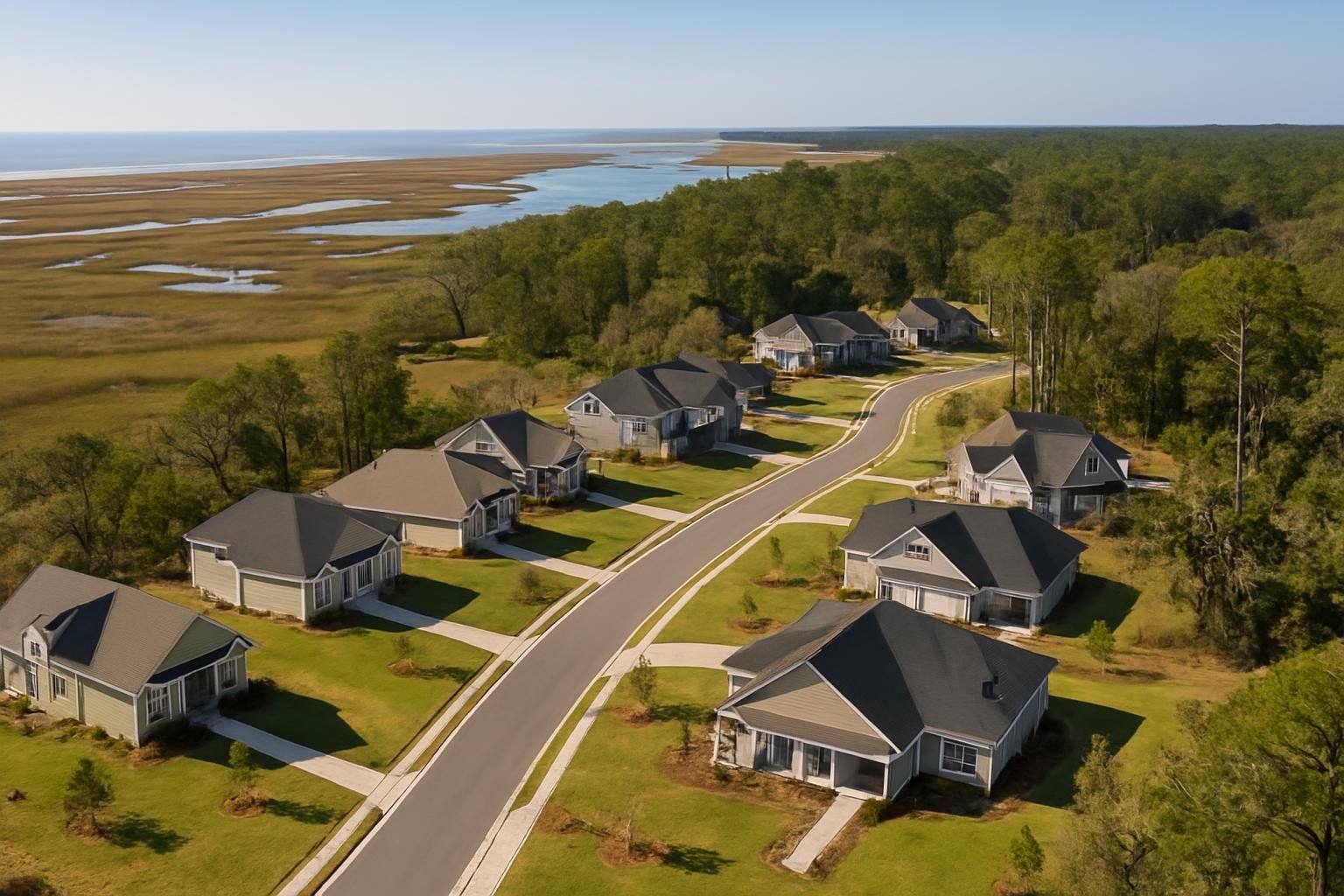
Both options are common here, and the right choice depends on your timeline, budget and tolerance for repairs. New construction has grown especially in the Hubert, Holly Ridge, Swansboro and outer Jacksonville areas.
New construction
- Pros: modern systems, better energy efficiency, builder warranty, floor plans that fit current tastes, and often builder incentives for VA buyers.
- Cons: longer wait if the home is not yet built, smaller lots in some subdivisions, upgrade costs that add up, and landscaping or drainage that may still be settling.
Resale homes
- Pros: established neighborhoods, mature trees, often larger lots, and faster closing when you are working against a report date.
- Cons: older HVAC, plumbing and roofs, possible moisture or termite history, and more variation in how well the home was maintained.
A common mistake with new construction is skipping the independent inspection because the home is new. Get one anyway. Inspectors regularly find missing insulation, drainage problems and unfinished details that the builder can fix under warranty, but only if you document them early.
Local tip: If you are buying new construction on a tight PCS timeline, ask the builder for homes that are already under roof or move-in ready, and get any rate-lock extension terms in writing before you sign.
VA loan tips for Jacksonville buyers
A large share of buyers here use VA loans, which is a real advantage. Agents, lenders and many sellers are familiar with the process, and VA loans can allow buyers to purchase with no down payment and without monthly mortgage insurance, subject to eligibility and lender requirements. Confirm current terms, fees and your entitlement with a VA-experienced lender, since rules and rates change.
Practical steps
- Get your Certificate of Eligibility early. Your lender can often pull it for you, but do not wait until you are under contract.
- Get pre-approved before you tour. In a busy PCS season, a pre-approval letter makes your offer more competitive.
- Choose a lender who handles VA loans regularly. Experience matters for timelines and appraisal issues.
- Understand the VA appraisal. The appraiser checks that the home meets minimum property requirements, so peeling paint, roof problems or moisture issues can slow things down.
- Ask about seller concessions. VA rules limit what sellers can pay toward certain costs, so ask your lender how they apply to your deal.
The VA appraisal is not a home inspection. It will not catch everything, so still hire your own inspector.
If you are new to the area and still sorting out the move itself, our Camp Lejeune PCS guide and moving to Onslow County guide cover the bigger picture.
Should you buy or use base housing?
That depends on your length of stay, BAH, savings goals and how much you value the convenience of on-base living. Our explainer on Camp Lejeune base housing neighborhoods can help you compare. For current eligibility and wait times, rely on official Camp Lejeune and MCAS New River housing resources.
Flood zones, hurricanes and insurance
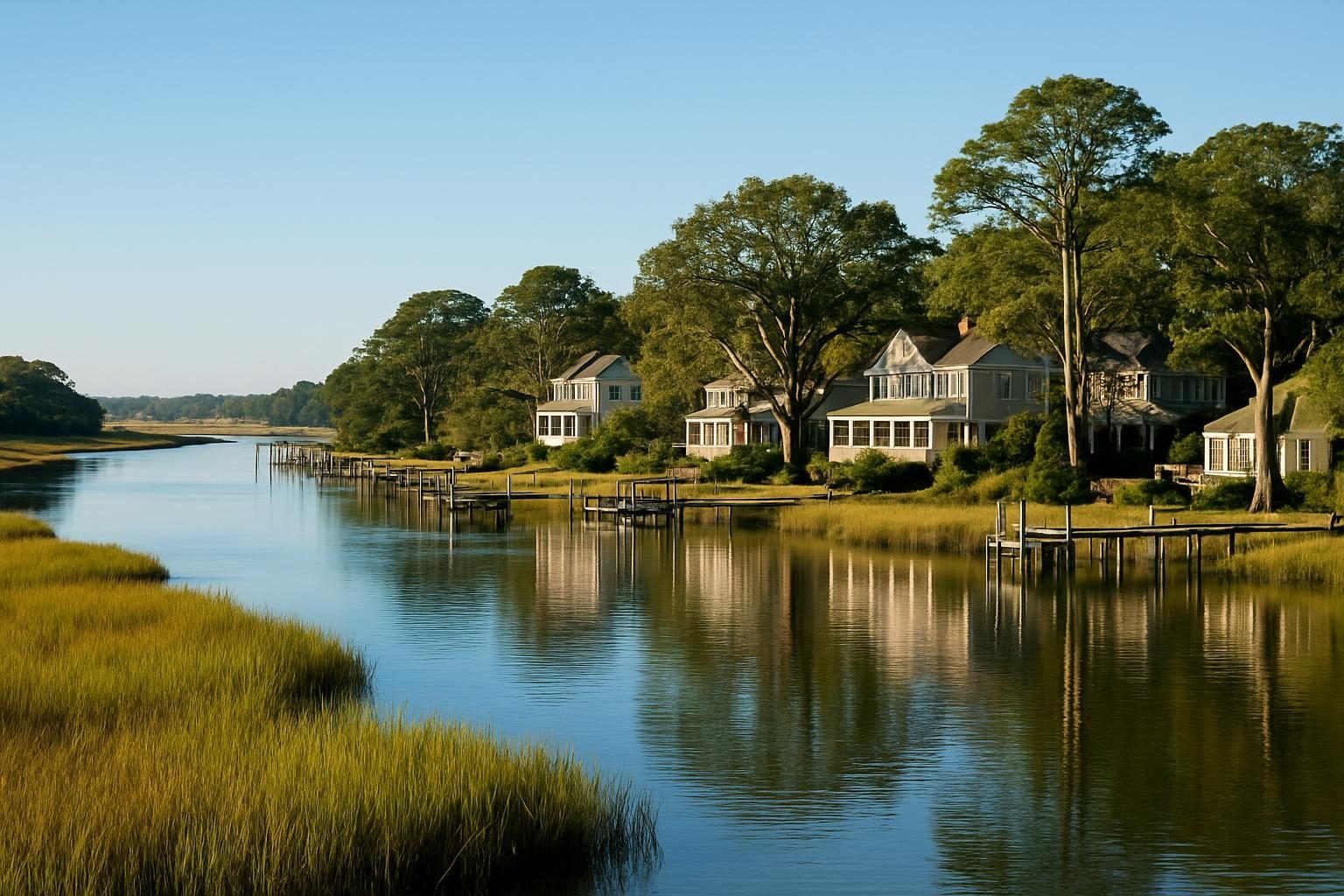
Onslow County is coastal, and flood risk is not limited to beachfront. Low-lying areas near the New River, creeks, marshes and the Intracoastal Waterway can all carry flood risk, and some inland spots can flood in heavy rain.
Before you make an offer, look up the property’s FEMA flood zone and ask for any elevation certificate the owner has. A home in a high-risk zone with a federally backed mortgage will generally require flood insurance, and that cost can change your monthly budget significantly.
- Check the flood zone using FEMA’s flood map tools and confirm with your insurance agent.
- Ask about past flooding or water intrusion and request seller disclosures in writing.
- Get insurance quotes before closing, including wind and hail, which can be handled separately in coastal areas.
- Ask about roof age and construction, since insurers weigh these heavily.
Standard homeowners policies often do not cover flood, and what counts as water damage can be confusing. Our guide on whether homeowners insurance covers water damage in North Carolina breaks it down.
Once you own, our hurricane preparation checklist for Onslow County homeowners is worth bookmarking, and our Jacksonville weather by month guide helps you plan around the season.
Get the flood zone and an insurance quote before you get attached to the house, not after the inspection period starts ticking.
Inspections: crawl spaces, termites and humidity
A standard home inspection is a must, but in this climate a few areas deserve extra attention. Heat, humidity and salt air are hard on houses, and many older homes in the area are built on crawl spaces rather than slabs.
Crawl space
Ask the inspector to go into the crawl space, not just peek in from the access door. Look for standing water, damp or sagging insulation, mold, a poorly sealed vapor barrier and signs of wood rot. Moist crawl spaces can drive up humidity inside the home and invite pests.
If the crawl space has issues, get a sense of repair costs before you negotiate. Our guide to crawl space encapsulation cost in Jacksonville gives typical ranges and helps you decide whether it is worth it.
Termites and wood-destroying insects
In North Carolina, a wood-destroying insect report is a standard part of many home purchases. Termites are active in this region, and evidence of past treatment is not necessarily a deal breaker, but it is a reason to ask questions about warranties and transferability.
For what treatment typically involves, see our termite treatment cost in Jacksonville guide, and for ongoing protection read how to prevent termites in coastal North Carolina homes.
Other things worth checking
- HVAC age and condition: a system working overtime in humid summers fails faster. Our list of signs your AC is failing in eastern North Carolina is a useful reference.
- Roof and flashing: especially after storm seasons.
- Plumbing: older homes may have aging pipes or past leaks.
- Drainage and grading: water should move away from the foundation.
Local tip: Be present for the inspection if you can, and ask the inspector to point out the crawl space and attic conditions in person. Photos in a report rarely show how a space actually feels.
Renting out your home after PCS
Many military buyers eventually move on and keep the house as a rental. It can work well in a market with steady military demand, but go in with a plan rather than a hope.
Questions to answer before you buy
- Will the rent plausibly cover the mortgage, taxes, insurance, maintenance and any management fee? Look at current local rental listings rather than guessing.
- Do you understand your lender’s occupancy rules for VA and other loans, including how long you are expected to live in the home first?
- Are you comfortable managing a rental from another state, or will you hire a property manager?
- Is the home in a flood zone or near the water, where insurance and storm repairs could eat into your return?
- Do you have a cash reserve for vacancies and repairs, especially HVAC and roof?
Choosing a home that rents well
Homes that tend to appeal to renters near the base are practical and low-maintenance: reasonable commute, fenced yard, durable flooring and a floor plan that works for families. Fancy finishes matter less than a well-maintained house in a convenient location.
Consider talking to a local property manager and your tax advisor before you buy, since landlord obligations, taxes and insurance requirements differ from owner-occupant rules. If you ever need repairs after a storm, our guide on how to hire a contractor after hurricane damage in North Carolina is worth having on hand.
Putting it together: a simple buying checklist
- Decide your budget with a VA-experienced or conventional lender and get pre-approved.
- Pick two or three target areas and drive the commute at the times you would actually travel.
- Check the flood zone and get an insurance quote before making an offer.
- Choose new construction or resale based on your timeline and repair tolerance.
- Hire an independent inspector and ask for crawl space and wood-destroying insect evaluations.
- Review the appraisal, negotiate repairs and confirm your closing timeline.
- If you may rent later, run the numbers and talk to a property manager first.
If you want a feel for daily life before you commit, our living in Swansboro and living in Sneads Ferry guides show what the waterfront side of the county is like.
FAQ: Buying a home in Jacksonville, NC
What is a typical price range for a home in Jacksonville, NC?
It varies by area and changes with the market, so check current listings. In general, in-town Jacksonville and Piney Green sit at the more affordable end, Hubert, Holly Ridge, Richlands and newer subdivisions fall in the middle, and Sneads Ferry, Swansboro and the beaches are higher.
Can I use a VA loan to buy a home in Jacksonville?
Yes, VA loans are very common here. You will need eligibility confirmed through a Certificate of Eligibility, a lender who handles VA loans, and a home that meets VA property requirements. Confirm current terms and fees with your lender.
Do I need flood insurance in Onslow County?
It depends on the property’s flood zone and your lender. Homes in high-risk zones with federally backed mortgages generally require it, and even outside those zones it may be worth having. Check the flood zone and get an insurance quote before you close.
What inspections matter most for Jacksonville homes?
Beyond a general inspection, prioritize the crawl space, a wood-destroying insect report for termites, the HVAC system, the roof and drainage around the foundation. Humidity and storms make moisture and pests the most common issues.
Can I rent out my house when I get PCS orders?
Many owners do, and demand from military renters is steady. Check your loan’s occupancy requirements, run the numbers on rent versus total costs, and consider hiring a local property manager if you will be out of the area.