If you are weighing living in Sneads Ferry NC, you are really weighing a trade: a working-waterfront fishing village on the New River and Intracoastal Waterway, in exchange for a longer drive to most big-box shopping. It sits at the southern end of Onslow County, right at the edge of Camp Lejeune’s back gate, and it feels a world away from Jacksonville’s strip-mall corridors. This guide covers what the housing looks like, how the commute works, what boating life is really like, and the flood insurance questions you should ask before you fall in love with a dock.
Quick answer: Sneads Ferry is a small, boat-oriented community along NC Highway 172 and NC 210 with a mix of waterfront homes, canal-front lots, newer subdivisions and older fishing-village houses. It is popular with Marines and sailors who want a back-gate commute to Camp Lejeune, anglers and boaters who want water access, and anyone who wants a quieter coastal pace. The trade-offs are limited shopping and dining close by, flood and wind insurance costs that can be significant, and hurricane exposure. Verify flood zones and insurance quotes before making an offer.
Key takeaways
- Sneads Ferry is a waterfront fishing community, not a suburb; expect a slower pace and fewer chain stores.
- The back gate to Camp Lejeune makes it a strong pick for some commutes, but your unit’s location matters more than the map.
- Waterfront and canal-front homes bring flood zone, wind and insurance questions you must settle before closing.
- Boat ramps, marinas and the Intracoastal Waterway are the real draw, along with quick access to Topsail Island.
What Sneads Ferry Is Actually Like
Sneads Ferry has long been a shrimping and fishing village, and you still see that in the working boats, the seafood culture and the way locals talk about tides and weather. It is unincorporated, which means it feels more like a collection of neighborhoods strung along the water than a town with a center.
You will find marinas, a few long-running seafood spots, churches, schools, and a steady stream of boat trailers heading to the ramps on weekends. It is quieter than Jacksonville and noticeably more water-focused than inland communities like Richlands.
If you want a sense of how it compares to other towns, our best neighborhoods in Jacksonville and Onslow County towns compared guide puts Sneads Ferry side by side with the rest of the county.
Sneads Ferry trades big-box convenience for water access, and the people who love it usually say the trade is worth it.
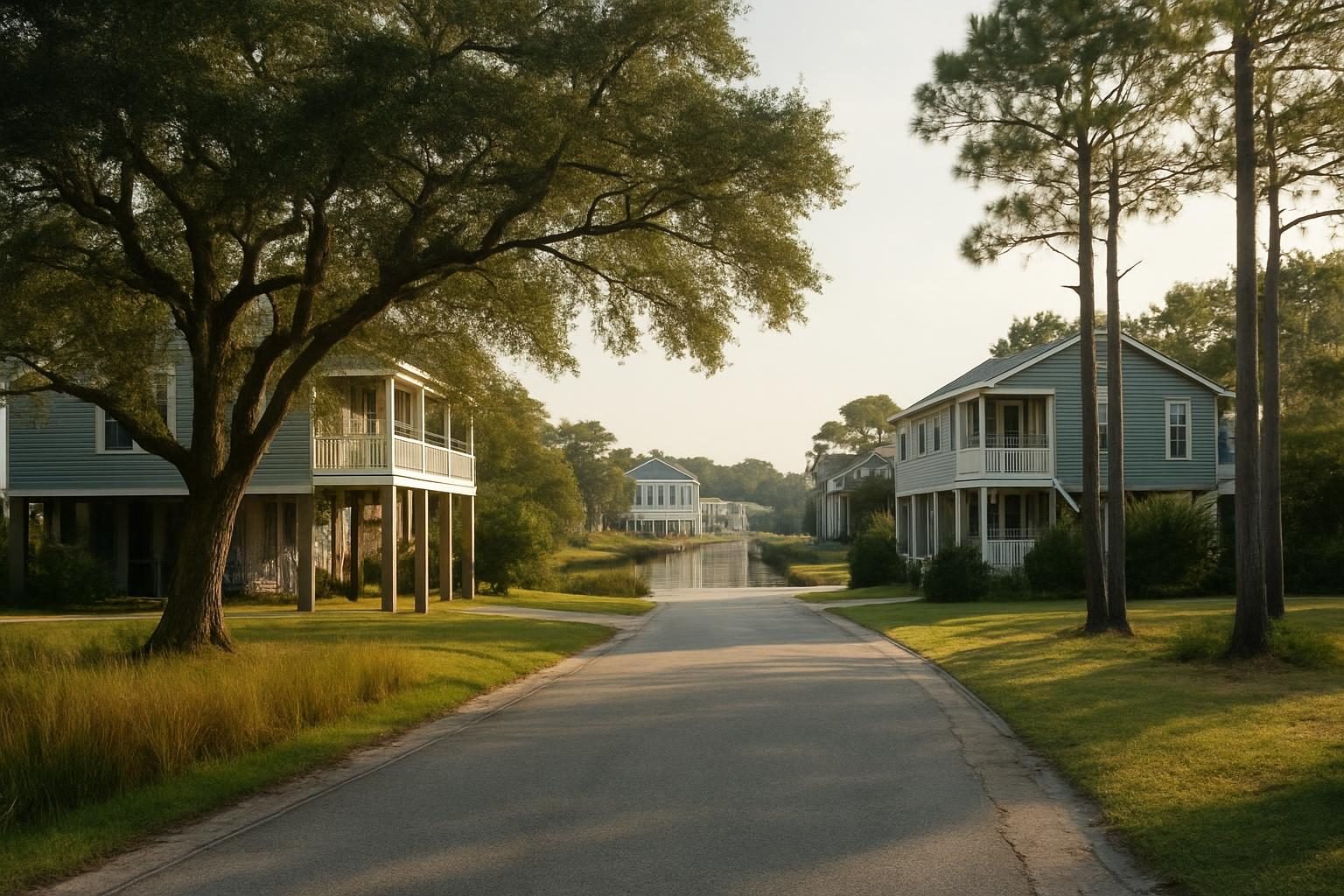
Waterfront Homes and Housing Types
Housing here ranges widely. The mix is part of the appeal, but it also means you need to be specific about what kind of waterfront you actually want.
Types of homes you will see
- Deep-water and river-front homes with docks and views of the New River or the Intracoastal Waterway.
- Canal-front homes where you can tie up a boat but may be limited by bridge clearance, depth and tide.
- Marsh-view homes with scenery and sunsets but no direct boat access.
- Newer subdivisions inland from the water with more modern floor plans and neighborhood amenities.
- Older fishing-village homes on smaller lots, often closer to the working waterfront.
Prices vary a great deal by water frontage, elevation, dock condition and age of the home. Rather than trust a number from a blog, pull recent sold listings from a local agent and compare like-for-like. For a county-wide sense of housing and utility costs, see our cost of living in Jacksonville guide, which is a useful baseline even though waterfront homes run differently.
What to inspect on a waterfront property
- Condition of the dock, pilings and any bulkhead or seawall; repairs can be costly.
- Water depth at low tide, not just high tide.
- Elevation of the home relative to the base flood elevation.
- Roof age and wind-resistance features, given coastal storms.
- Signs of past moisture intrusion in crawl spaces and lower levels.
Local tip: Visit a waterfront listing at low tide and again after a heavy rain or strong onshore wind. You will learn more about drainage, depth and standing water in an hour than a listing photo can show.

Commute: The Back Gate to Camp Lejeune
One of the biggest draws for military families is the back gate toward Sneads Ferry. For Marines and sailors whose work is on the southern or eastern side of Camp Lejeune, it can mean a straightforward drive without fighting Jacksonville’s main-gate traffic.
That said, Camp Lejeune is enormous, and your actual commute depends on where your unit is, what time you report, and current gate hours and access rules. Do not choose a home based on the gate alone. Drive the route at the exact time you would commute before committing.
Commute questions to answer before you sign
- Which gate does your unit realistically use, and what are its current hours and access requirements?
- How long is the drive to your actual building during morning rush, not just to the gate?
- What is the alternate route if there is a road closure, accident or storm event?
- How far is the drive to Jacksonville for groceries, appointments and the rest of your errands?
For official gate access, base passes and procedures, use Camp Lejeune’s official resources and your command. We cover the broader picture in our best places to live near Camp Lejeune by gate and commute guide, and the Camp Lejeune PCS guide walks through the move itself. If you work at the air station instead, see living near MCAS New River, because the geography is very different.
Also weigh the housing choice itself. Some families find that living off base in a place like Sneads Ferry makes sense, while others prefer the convenience of base housing. Our on-base vs off-base housing guide helps you decide.
Drive your real commute at your real reporting time before you sign anything; the map never tells the whole story.
Boating Life and Things to Do
This is where Sneads Ferry earns its reputation. Boat ramps, marinas and access to the New River and the Intracoastal Waterway mean a lot of people here organize their weekends around the water.
- Fishing: inshore creeks and marsh, the river, and offshore trips from the inlet area. See our fishing in Onslow County guide for piers, surf and inshore options.
- Boating and paddling: calm marsh creeks are good for kayaks, while bigger water demands attention to tides and weather.
- Hammocks Beach State Park and Bear Island: reachable by boat or ferry from the Swansboro side, and a popular outing for people living nearby. Check current access details before you go.
- Topsail Island beaches: a short drive toward North Topsail Beach. See our best beaches near Jacksonville guide.
For a full rundown of local outings, restaurants and ideas, our things to do in Sneads Ferry guide goes deeper. And if you like the idea of a similar waterfront town with more walkable dining, compare it with living in Swansboro.
Owning a boat here
Boat ownership is easy to romanticize and easy to underestimate. Salt air and humidity are hard on engines, trailers, electronics and docks, so budget time and money for maintenance. Ask about dock slip availability, ramp traffic on summer weekends, and where you would store the boat if a hurricane threatens.
Flood Insurance and Storm Considerations
This is the section to read twice. Coastal living means flood zones, wind coverage and hurricane season, and the insurance side can change the real cost of a home dramatically.
What to check before you make an offer
- FEMA flood zone: confirm the property’s zone and whether flood insurance is required by your lender.
- Elevation certificate: ask whether one exists; it can affect your flood insurance rate.
- Homeowners and wind coverage: coastal policies often treat wind and named-storm damage differently, sometimes with separate deductibles.
- Claims history: ask the seller about past flooding, water intrusion and insurance claims.
- Quotes before closing: get real insurance quotes while you are still under contract, not after.
Premiums vary a lot by zone, elevation, construction and coverage amount, and they change over time. Treat any number you hear as an estimate and get written quotes from a local insurance agent familiar with coastal Onslow County.
Local tip: Ask your insurance agent about the difference between flood and wind coverage, and what your named-storm deductible would be. Many first-time coastal buyers only learn this after a storm.
Hurricane season realities
Hurricane season runs through the late summer and fall, and Sneads Ferry’s position on the water means storm surge and heavy rain are real considerations. Have an evacuation plan, know your zone, and keep documents and photos of your home and belongings. If you want to understand seasonal patterns, our upcoming Jacksonville weather by month guide will help.
If a storm does cause damage, our guides on storm damage repair after a hurricane and water damage restoration explain the steps and timeline. Roofing is a big factor on the coast too; see how to choose a roofing contractor.
Pros and Cons of Living in Sneads Ferry
| Pros | Cons |
|---|---|
| Direct access to the New River and Intracoastal Waterway | Longer drives to major shopping and some services |
| Back gate access toward Camp Lejeune for many commutes | Commute depends heavily on your unit and gate hours |
| Quiet, small-community feel with strong seafood and boating culture | Fewer dining, entertainment and shopping options nearby |
| Close to Topsail Island beaches and Hammocks Beach | Hurricane, storm surge and flood exposure |
| Range of housing from older village homes to newer subdivisions | Flood and wind insurance can add real cost |
Is Sneads Ferry Right for You?
It tends to suit people who actually use the water, who do not mind driving for errands, and who value a calmer pace over convenience. Military families who are comfortable off base and want a boating lifestyle often find it a good fit, as long as the commute works.
If you would rather be near restaurants, schools, shopping and nightlife, Jacksonville or Swansboro may feel easier. If you want something more rural and inland, look at Hubert and Holly Ridge or Richlands. And for the full planning picture, our moving to Onslow County guide covers the essentials.
Frequently Asked Questions (FAQ)
Is Sneads Ferry a good place to live near Camp Lejeune?
It can be, especially if your work is near the back gate side of the base. The right answer depends on your unit’s location and the exact commute, so drive it at your reporting time before you choose a home.
Do I need flood insurance in Sneads Ferry?
Many homes, especially waterfront and canal-front ones, sit in flood zones where lenders require it, and even homes outside required zones can flood. Check the property’s FEMA flood zone and get written quotes before closing.
Can I keep a boat at my home in Sneads Ferry?
Some waterfront and canal-front homes have docks, but water depth, tide and bridge clearance vary. Inspect the dock and confirm depth at low tide, or look into marina slips and public ramps if the home has no dock.
How far is Sneads Ferry from Jacksonville?
It is a drive of roughly half an hour or more depending on traffic and where in Jacksonville you are going. Plan on driving for major shopping, medical appointments and many services.
What are the downsides of living in Sneads Ferry?
The main ones are fewer nearby shops and restaurants, potentially high flood and wind insurance costs, and hurricane exposure. Many residents feel the water access outweighs these, but you should price them in honestly.