If you are weighing a move, a PCS to Camp Lejeune, or just planning a visit, the Jacksonville, NC weather by month is worth understanding before you commit to a season. Onslow County sits on the southeastern North Carolina coast, so the weather is shaped by the Atlantic, the sounds, and the humid air that rolls in off both. Summers are long and sticky, winters are short and mostly mild, and spring and fall are the stretches most people end up loving.
This guide walks through the year month by month, then covers humidity, hurricane season, what to pack, and what each season means for your house. The temperature figures are approximate typical ranges, not forecasts, and any given year can run warmer, cooler, wetter or drier.
Quick answer: Jacksonville has a humid subtropical climate with four distinct seasons. Expect mild, occasionally frosty winters (highs roughly in the 50s), pleasant springs and falls (highs in the 60s to 80s), and hot, humid summers (highs in the upper 80s to low 90s, with heat indexes higher). Hurricane season runs June 1 through November 30, with the greatest risk typically from August through October. The most comfortable months for most people are April, May, October and early November.
Key takeaways
- Summer is hot and humid; plan outdoor time for mornings and evenings from June through early September.
- Winters are mild compared with the rest of the state, but cold snaps, frost and the occasional ice event do happen.
- Hurricane season officially runs June 1 to November 30, and the peak risk is typically late summer into early fall.
- Spring and fall are the best seasons for the beach, parks, fishing and house projects.
- Humidity, salt air and storms shape home upkeep more than temperature does.
Jacksonville, NC Climate at a Glance
Jacksonville is inland from the beaches by a short drive, but the coast still sets the tone. The Atlantic moderates the extremes, which is why we see fewer hard freezes than towns farther west and fewer scorching 100-degree days than the deep South.
The table below gives rough typical ranges. Think of them as a starting point rather than a promise.
| Month | Typical daytime highs | Typical overnight lows | General feel |
|---|---|---|---|
| January | Low to mid 50s | Low to mid 30s | Cool, damp, occasional frost |
| February | Mid to upper 50s | Mid to upper 30s | Cool, changeable |
| March | Mid to upper 60s | Low to mid 40s | Warming, windy, pollen starts |
| April | Low to mid 70s | Low to mid 50s | Mild and green |
| May | Upper 70s to low 80s | Low 60s | Warm, humidity creeping up |
| June | Upper 80s | Upper 60s to low 70s | Hot, humid, storms begin |
| July | Upper 80s to low 90s | Low to mid 70s | Hottest, stickiest, afternoon storms |
| August | Upper 80s to low 90s | Low to mid 70s | Hot, humid, tropical activity ramps up |
| September | Mid to upper 80s | Upper 60s to low 70s | Still warm, peak storm risk |
| October | Upper 70s | Upper 50s | Dry, comfortable, golden light |
| November | Upper 60s | Low to mid 40s | Crisp, season winds down |
| December | Mid 50s | Mid to upper 30s | Cool, mild days, chilly nights |
Rainfall is spread fairly evenly through the year, with the wettest stretch generally in summer, when thunderstorms and tropical systems add to the total.
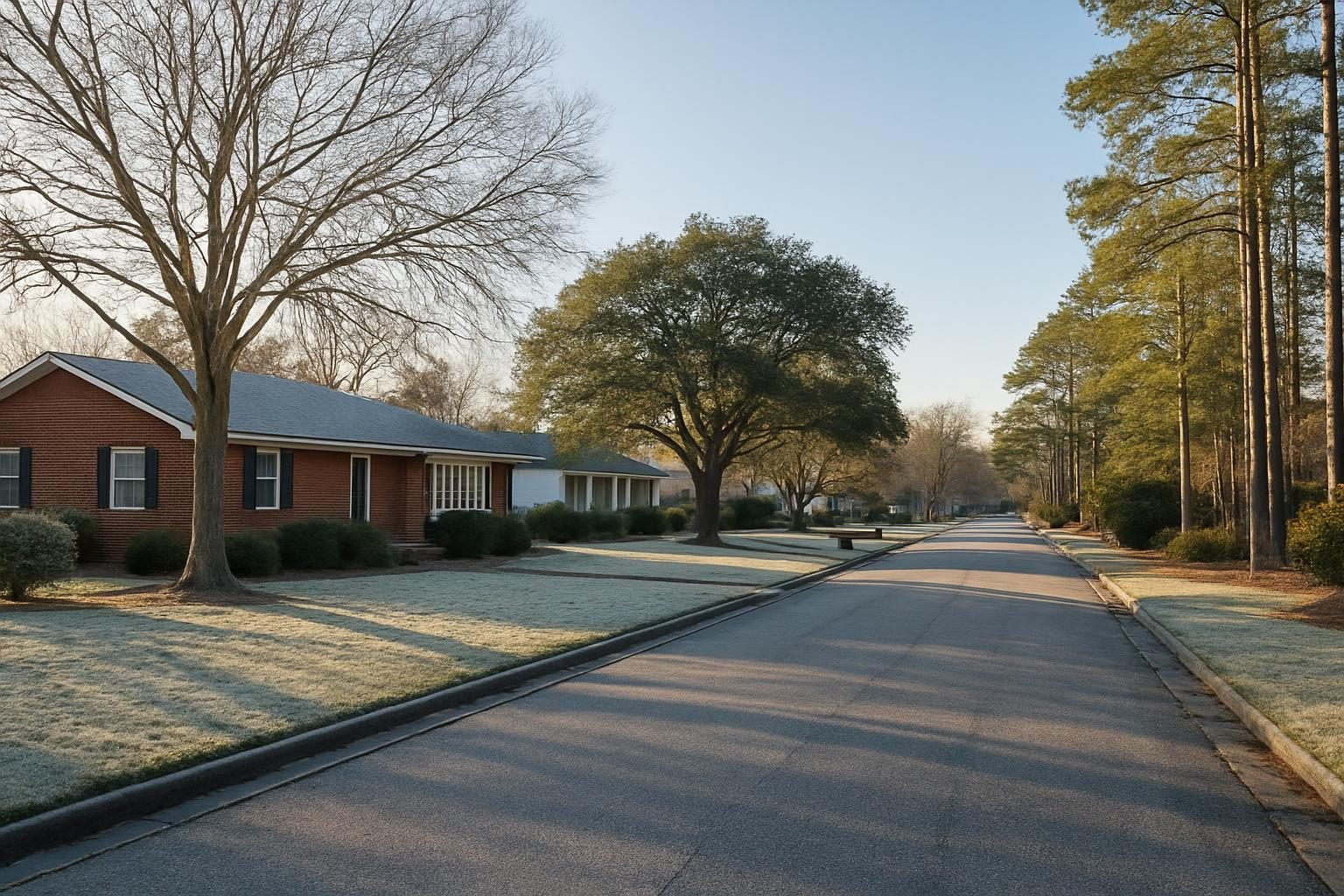
Winter: December Through February
Winter here is short and rarely severe. Many days feel more like early spring than January, but nights can drop to freezing and the damp air makes a 40-degree morning feel colder than the number suggests.
December
Days are mild and nights are chilly. The holiday season brings crisp mornings, and you may need a jacket after sunset. For ideas on getting out and about, see our year-round calendar of Onslow County events.
January
January is usually the coldest month, with frost on some mornings. Snow is uncommon and tends to melt quickly when it arrives, but a rare ice or freezing-rain event can make roads slick for a day or two, and many drivers here are not used to it.
February
February often swings between cold snaps and surprisingly warm days. It is a good month for indoor projects and for exploring options on rainy or raw days, such as the ideas in our rainy day guide for Jacksonville.
Local tip: Know where your main water shutoff is before the first hard freeze, and let exposed outdoor faucets and irrigation lines drain or insulate them. Pipes that never froze in a mild year can still burst during one cold snap.
Spring: March Through May
Spring is when the county wakes up. Azaleas and dogwoods bloom, boat ramps get busy, and the whole region turns green almost overnight.
March
March is a transition month. Expect windy days, a mix of cool and warm weather, and the start of heavy pollen. If you have allergies, this is when the yellow dust shows up on cars and porches.
April
April is one of the most pleasant months of the year. Days are comfortable, humidity is still manageable, and it is a great time for parks, fishing and the first beach trips. Browse our picks for parks in Jacksonville and Onslow County to plan outings.
May
Warm days settle in and you start to feel the humidity build. The water is still cool for swimming, but beach walks are wonderful. Pollen usually eases and storms begin to show up in the afternoons.
April, May and October are the months when Onslow County is at its easiest: warm enough for the water, mild enough for everything else.
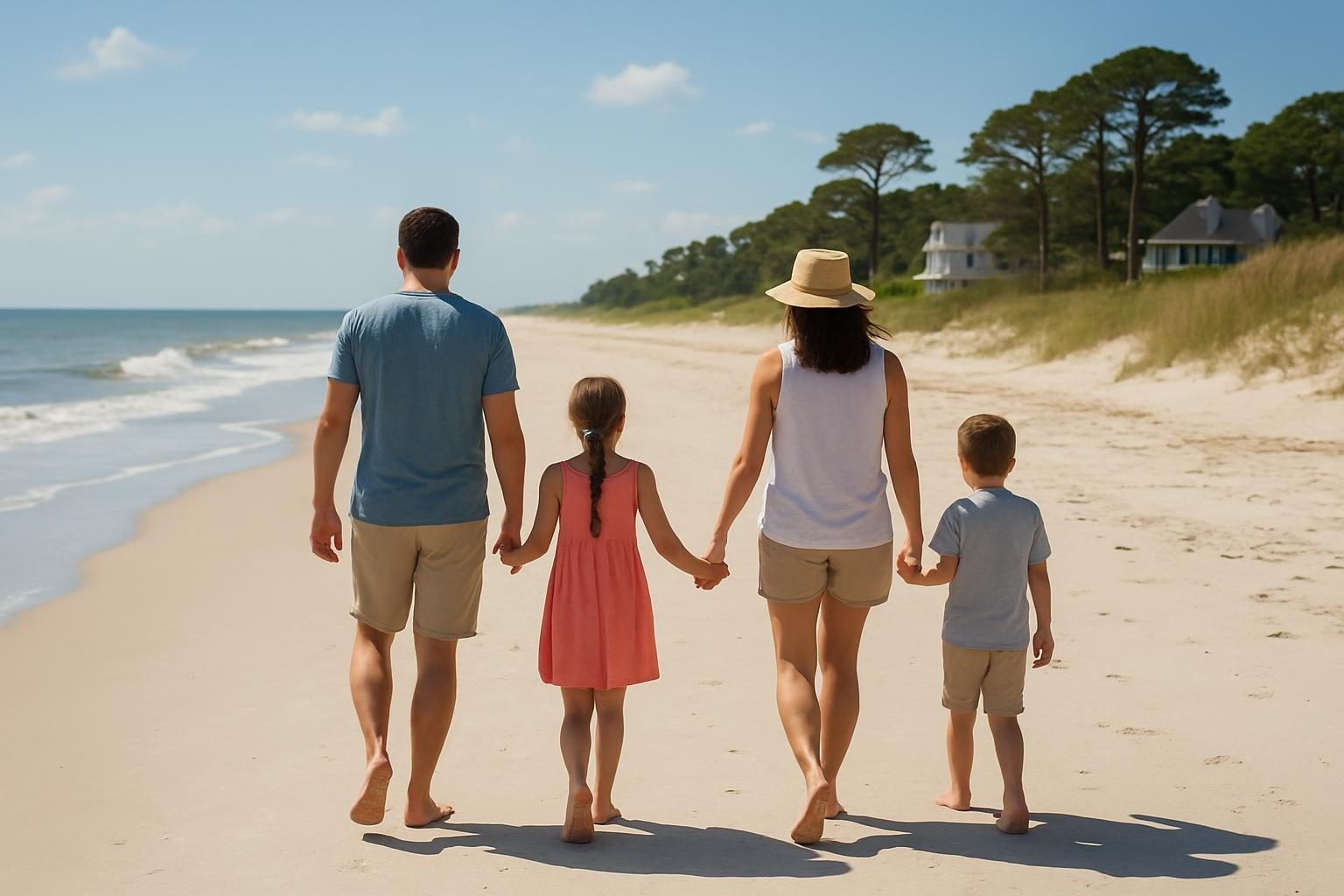
Summer: June Through August
Summer is the defining season on the North Carolina coast. It is hot, humid and bright, and the heat index often feels well above the actual air temperature.
June
Heat arrives in earnest. Beach season is in full swing, and afternoon thunderstorms can pop up quickly and pass just as fast. June 1 also marks the official start of hurricane season.
July
July is typically the hottest and stickiest month. Plan outdoor activity for early morning or evening, drink more water than you think you need, and watch the sky around mid-afternoon. Heat is a real concern for kids, pets and anyone training or working outside.
August
August stays hot and humid, and tropical activity in the Atlantic usually picks up. This is a good month to double-check your storm plans, even if the forecast looks quiet.
When the heat gets old, the water helps. Our guide to the best beaches near Jacksonville covers where to cool off, and our family guide to things to do with kids has options for hot afternoons.
Local tip: Have your HVAC serviced in spring, not July. Technicians get slammed during the first heat wave, and a system that has been idle all winter is more likely to fail the first time it runs hard.
Humidity and What It Does to Everyday Life
Humidity is the part of Jacksonville weather that surprises newcomers most. From roughly late May through September, the air feels thick, and the dew point matters more than the temperature on the thermometer.
Here is what that means in practice:
- Walking to the car can leave you damp even in the shade.
- Laundry, towels and gym bags can stay damp or develop a musty smell if left in closets and cars.
- Leather, books and paper can curl, warp or mildew in poorly ventilated spaces.
- Bathrooms and closets are prone to mildew, especially in homes with weak ventilation.
- Windows may fog or sweat when the AC runs hard.
A dehumidifier, a properly sized and maintained AC, and good bathroom ventilation go a long way. If your system struggles to keep up, our guide to HVAC repair in Jacksonville explains what to expect and how to hire a local pro.
Hurricane Season in Onslow County
The Atlantic hurricane season runs from June 1 through November 30. Onslow County has felt the effects of tropical storms and hurricanes over the years, and the coastline, the New River and low-lying areas can flood during heavy surge and rain.
Most of the risk historically falls from August into October, though early and late storms do happen. A storm does not need to make a direct hit to cause trouble: heavy rain, tornadoes spun off from outer bands, downed trees and power outages are all common effects.
How to get ready
- Know your evacuation zone and your route, especially if you live near the water in Sneads Ferry, Swansboro or North Topsail Beach.
- Keep a kit with water, nonperishable food, flashlights, batteries, medications and copies of key documents.
- Photograph your home and belongings for insurance and review your policy, including flood coverage, which is typically separate from standard homeowners insurance.
- Trim dead limbs and secure outdoor furniture, grills and boats before a storm watch.
- Follow local emergency management and National Weather Service updates, and for military households, official base communications.
If a storm does hit, our guides to storm damage repair in Jacksonville and water damage restoration walk through the first steps and typical timelines.
A hurricane does not have to make landfall in Onslow County to cost you a week of power, a fallen oak or a flooded driveway.
Fall: September Through November
Fall is the season locals tend to brag about, with one caveat: early fall is still peak storm season.
September
September remains warm and humid, and it is often the most active month for tropical systems. Keep an eye on forecasts even on beautiful days.
October
October is typically drier, cooler and more comfortable, with lower humidity and clear skies. Fishing, festivals and beach days are at their best. If you like to cast a line, check our guide to fishing in Onslow County.
November
Mornings turn crisp, the first frosts may appear, and hurricane season ends on the 30th. It is a good month for outdoor dining and walks along the water. Our guide to where to eat in Jacksonville has ideas for cooler evenings.
What to Pack by Season
Packing for Onslow County is mostly about layers, sun and rain.
- Winter: A medium jacket, a warm layer for early mornings, and an umbrella. A heavy coat is rarely needed, but a hat and gloves help on cold snaps.
- Spring: Light layers, a rain jacket, and allergy medication if you are sensitive to pollen.
- Summer: Breathable fabrics, sunscreen, a hat, sunglasses, a reusable water bottle and sandals or water shoes for the beach and docks.
- Fall: Light layers for cool mornings, a jacket for evenings, and rain gear for the occasional tropical remnant.
Year-round, bring bug spray for marsh and woodland areas such as the Croatan National Forest, especially in warm months.
Home Care Implications by Season
The weather here is hard on houses in specific, predictable ways. Staying ahead of the calendar saves money and stress, and it is one reason the right neighborhood and home matter. Our comparison of Jacksonville and Onslow County neighborhoods can help you weigh flood exposure, tree cover and age of housing stock.
| Season | Main concerns | What to do |
|---|---|---|
| Winter | Freezing pipes, heating system strain, damp air | Insulate exposed pipes, change filters, service heat before cold months |
| Spring | Pollen, heavy rain, gutters | Clean gutters, check roof and flashing, service AC |
| Summer | Heat, humidity, mildew, afternoon storms | Run dehumidification, check attic ventilation, trim trees |
| Fall | Peak hurricane risk, wind, heavy rain | Secure yard items, review insurance, inspect roof before storm season peaks |
Roofs, siding and salt air
Wind, driven rain and salt air near the water age roofs, fasteners, metal railings and outdoor fixtures faster than inland conditions do. If your roof is aging or you are shopping for homes, read how to choose a roofing contractor in Jacksonville and our roof replacement cost guide for typical price ranges.
Plumbing and water
Cold snaps and heavy storms both put stress on plumbing and drainage. Know what counts as an emergency before you need one, and see our guide to an emergency plumber in Jacksonville.
Costs to heat, cool and maintain a home also vary with the season. Our cost of living guide for Jacksonville covers housing and utility patterns in more detail.
How Weather Varies Across Onslow County
Conditions are broadly similar countywide, but small differences matter. Towns close to the water, such as Sneads Ferry and Swansboro, tend to get more breeze and a bit more moderation in temperature, but also more exposure to storm surge and flooding. North Topsail Beach and the rest of Topsail Island are the most exposed to wind and surge.
Inland communities such as Richlands, Hubert and Holly Ridge and parts of Jacksonville generally feel a little hotter in summer and a little cooler on clear winter nights, with fewer sea breezes. Fallen trees and long power outages are more of a concern in heavily wooded areas.
Planning a Move or PCS Around the Weather
If you have flexibility, an April, May, October or November move is ideal: milder temperatures, less humidity and no peak storm risk. Summer moves are doable, but loading trucks in July heat is tough on people and belongings. If you are coming in on orders, our Camp Lejeune PCS guide and moving to Onslow County guide cover the bigger logistics.
Families choosing where to live by commute and gate access can start with our guide to the best places to live near Camp Lejeune, and air station households can read living near MCAS New River. For base-specific storm procedures, closures and sheltering information, always rely on official Camp Lejeune and MCAS New River resources.
Jacksonville NC Weather FAQ
What is the hottest month in Jacksonville, NC?
July is typically the hottest month, followed closely by August. Daytime highs usually run in the upper 80s to low 90s, and the humidity can push the heat index noticeably higher.
Does it snow in Jacksonville, NC?
Snow is uncommon and usually light when it does fall. Most winters bring frost and cold rain rather than snow, though an occasional ice or snow event can disrupt roads briefly.
When is hurricane season in Jacksonville, NC?
Hurricane season runs from June 1 through November 30. The greatest risk is typically from August through October, but storms can form outside those months.
What is the best time of year to visit?
April, May, October and early November are the most comfortable months for most visitors, with pleasant temperatures and lower humidity than summer. Summer is best for beach and water activities if you can handle the heat.
Is Jacksonville, NC humid year-round?
Humidity is highest from late spring through early fall. Winter and much of October feel noticeably drier, though the coast keeps some moisture in the air all year.