If you want to go fishing in Onslow County, NC, you have more water to work with than most people realize. There are ocean piers and surf beaches on Topsail Island, tidal creeks and marsh flats behind the barrier islands, the winding New River running through Jacksonville, and the White Oak River at Swansboro. This guide walks through the main ways to fish here, what tends to bite when, what license you need, and how to stay safe.
Quick answer: Onslow County fishing falls into four styles: pier and surf fishing along Topsail Island, inshore fishing in the marshes and Intracoastal Waterway, river fishing on the New River and White Oak River, and offshore trips out of the inlets. Saltwater anglers generally need a North Carolina coastal recreational fishing license (confirm current rules with the NC Division of Marine Fisheries before you go). Spring through fall is the busiest stretch, but there is something to catch nearly year-round.
Key takeaways
- Four main styles here: pier/surf, inshore marsh, river, and offshore.
- Species and size/bag limits change, so check NC Division of Marine Fisheries before every trip.
- A coastal recreational fishing license is generally required for saltwater fishing, with some exemptions and options.
- Tides, wind and afternoon thunderstorms matter more than the calendar for most local fishing.
- Military families can fish almost anywhere within a short drive of Jacksonville.
How Fishing in Onslow County Is Laid Out
The county sits on the central North Carolina coast, and its geography does most of the sorting for you. Topsail Island and the other barrier islands face the open Atlantic. Behind them sits the Intracoastal Waterway and a maze of salt marsh, creeks and shallow sounds.
Inland, the New River runs from the Jacksonville area down through Camp Lejeune and out toward the sound, changing from fresher water upstream to salty and tidal as it gets closer to the coast. The White Oak River at Swansboro forms the county’s western edge and has its own character.
That means a single weekend can look completely different depending on where you point the truck. Here is a quick comparison.
| Style | Where in Onslow | Good for | Gear level |
|---|---|---|---|
| Pier fishing | Topsail Island piers | Families, beginners, no boat needed | Light to medium rod, basic tackle |
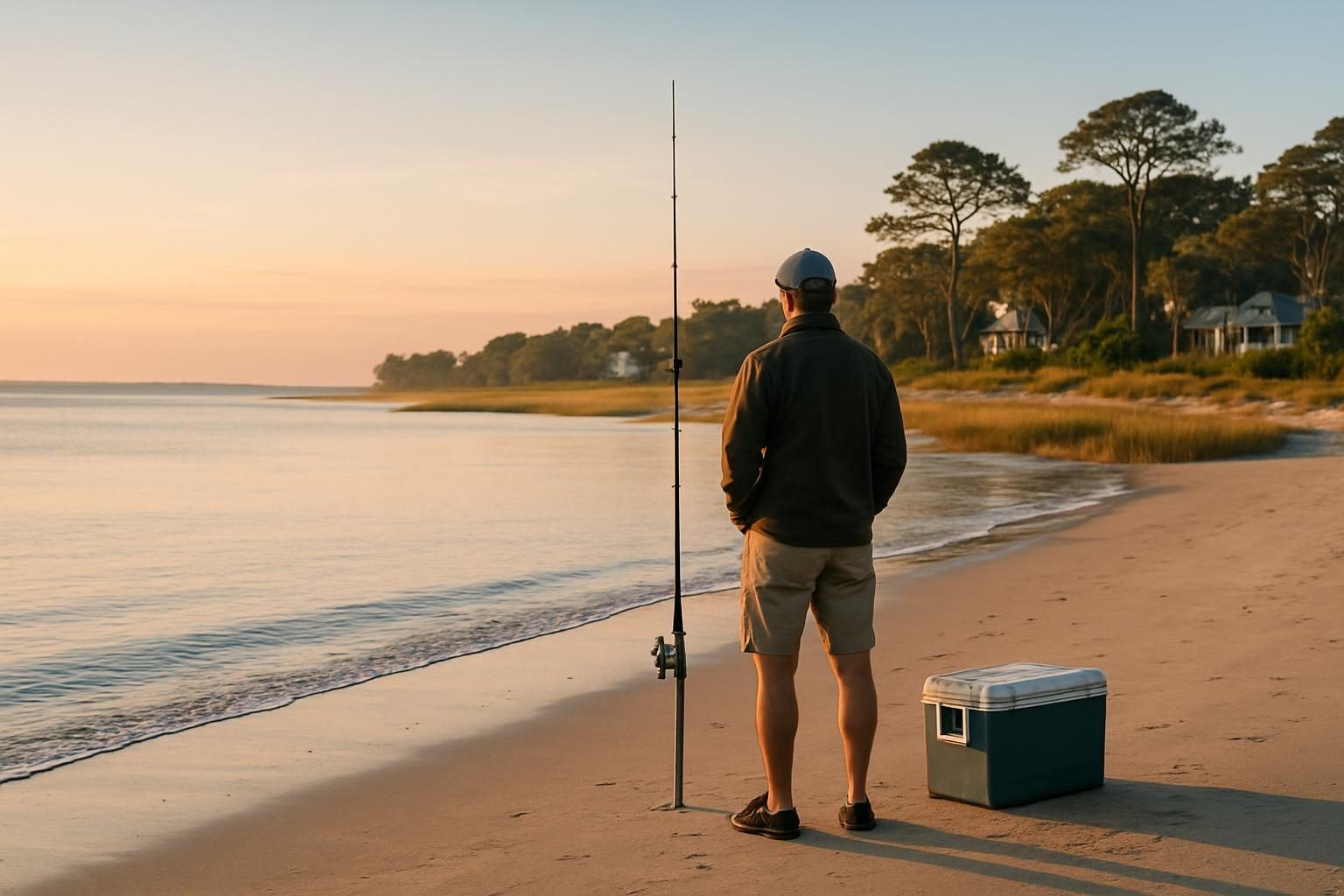
| Surf fishing | North Topsail Beach and Topsail Island shoreline | Patient anglers, sunrise and evening sessions | Longer surf rod, sand spikes, cooler |
| Inshore / marsh | Intracoastal Waterway, creeks, Sneads Ferry, Swansboro | Kayak and small-boat anglers | Light spinning tackle, shallow-water boat or kayak |
| River | New River, White Oak River | Quiet, close-to-home trips | Light tackle, small boat or bank access |
| Offshore | Out of coastal inlets | Experienced crews or charter trips | Heavy tackle, seaworthy boat |
Pier and Surf Fishing on Topsail Island
For most newcomers, a pier is the easiest first step. You do not need a boat, you can fish with kids, and the staff at a pier tackle shop will usually tell you what has been biting that week. Piers typically charge a walk-on or fishing fee, and rules vary, so check current details with the pier you plan to visit.
Surf fishing is a different rhythm. You park, walk out with a rod, a cooler and a sand spike, and read the beach: look for sloughs (deeper troughs), points where the sand juts out, and spots where waves break unevenly. Those features concentrate bait and the fish that chase it.
Our North Topsail Beach guide covers access points and parking, which matters when you are hauling surf gear. Our guide to the best beaches near Jacksonville is the place to compare shorelines if you are deciding where to set up.
What to bring for a pier or surf day
- A valid fishing license if you need one (see the license section below)
- A rod and reel suited to the water you are fishing, plus spare terminal tackle
- A bucket or cooler, a towel and plenty of water
- Sun protection, because reflection off water and sand adds up fast
- A measuring device so you can check fish against current size limits
- Pliers or a de-hooker for safe releases
The tide chart tells you more about your day on the water than the weather app does.
Inshore Fishing in the Marshes and Intracoastal Waterway
Many locals consider inshore fishing the heart of the county. The marsh creeks, oyster-lined banks and shallow flats behind the barrier islands hold the fish that keep people coming back, and the fishing here rewards paying attention to tides: moving water usually beats slack water.
Sneads Ferry and Swansboro are two of the best-known launch areas for inshore anglers, and each has its own feel. If you are exploring the Sneads Ferry side, our Sneads Ferry guide is a useful starting point, and the Swansboro guide covers the town on the White Oak River.
Fishing from a kayak
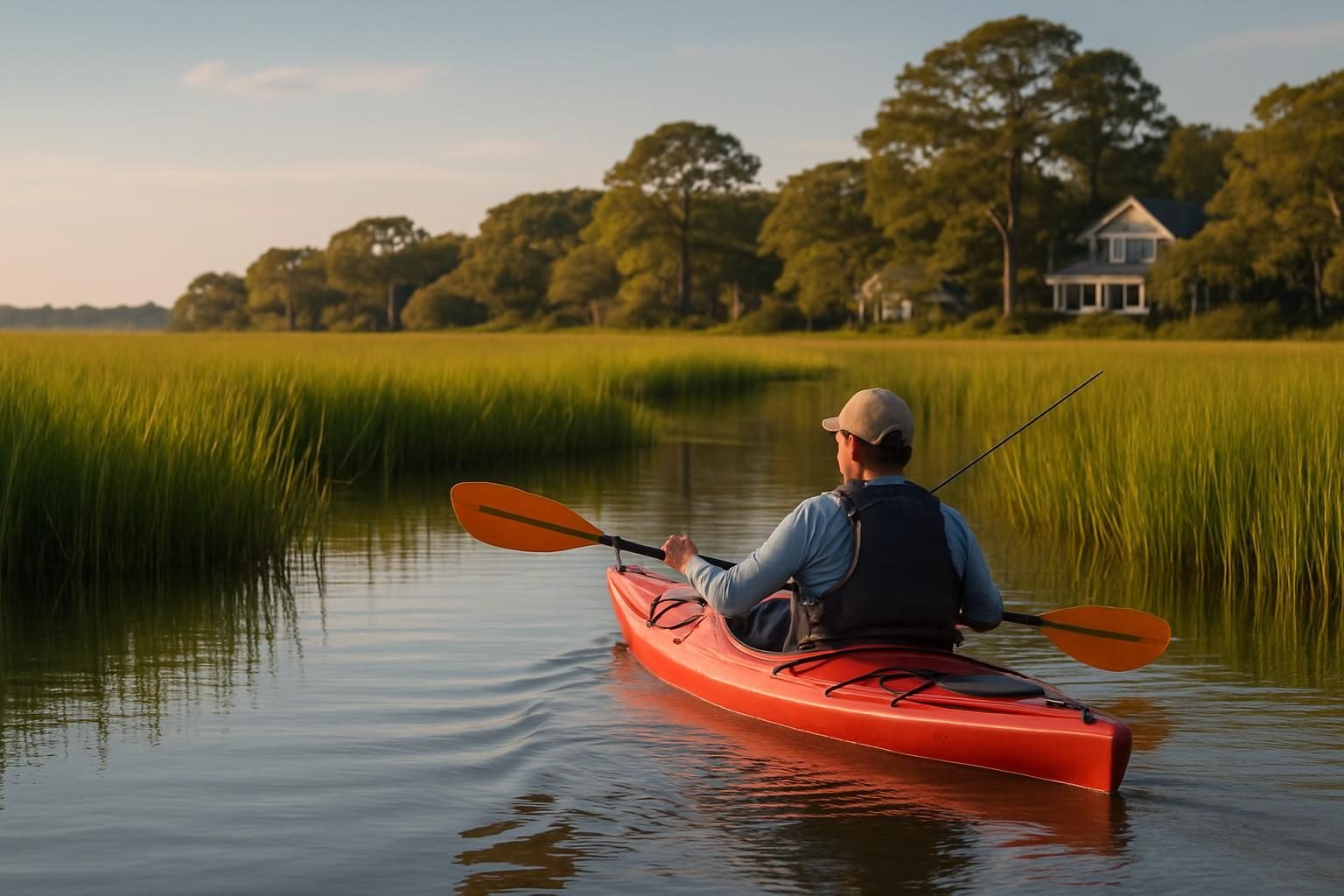
A kayak is a popular, affordable way to reach marsh fishing spots that bigger boats cannot. It is quiet, it lets you slip into shallow water, and you can launch from many public access points. If you have not paddled these waters before, read our beginner’s guide to kayaking the salt marshes first. Marsh tides, oyster shells and wind-driven chop are real considerations.
Local tip: Oyster beds are razor-sharp and exposed at low tide. Wear sturdy water shoes, and plan your route around the tide so you are not dragging a kayak across shell flats.
Barrier-island access matters too. Hammocks Beach State Park and Bear Island is a well-known destination near Swansboro, and it is worth checking park rules for any fishing-related regulations before you plan a trip.
Fishing the New River and White Oak River
The New River is the quiet option, and it is right in town. Around Jacksonville you can find bank and small-boat access in the area of Wilson Bay and the riverwalk, and the river widens and turns brackish as it heads toward the coast. Because salinity changes along the river, the species you may encounter shift as you move downstream.
Fishing near Camp Lejeune can come with access restrictions on base waters. Base procedures change, so use official Camp Lejeune and MCAS New River resources to confirm what is allowed and what permits or access are needed before you fish on or near military property.
The White Oak River near Swansboro is a classic coastal river with marsh edges, creek mouths and tidal flow. It tends to appeal to anglers who like quieter water and a lot of structure to work.
Boat ramps and launching
Public boat ramps are scattered around the county, and conditions vary: some are simple concrete ramps, others are busy and fill early on weekends. Parking for trucks and trailers is often the limiting factor. For ramp locations, waterways and safety basics, watch for our upcoming boating guide covering Onslow County ramps and waterways. Until then, check with the county, the NC Wildlife Resources Commission and local tackle shops for current ramp status and access rules.
Local tip: Weekend mornings in summer can mean a line at popular ramps. Arriving early, or launching on a weekday, saves a lot of stress.
Seasons by Species (General Terms)
Fish move with water temperature, tides and bait, so treat any seasonal chart as a general guide, not a promise. Regulations, size limits and bag limits change and are set by the state, so confirm the current rules with the NC Division of Marine Fisheries before you keep a fish.
Here is the general pattern anglers describe along this part of the coast.
| Season | What anglers commonly target | Notes |
|---|---|---|
| Spring | Inshore species moving into marshes, pier and surf action warming up | Water temperatures climbing, bait showing up |
| Summer | Pier, surf and inshore fishing, offshore trips | Hot afternoons and thunderstorms, so early or late is best |
| Fall | Often considered the best stretch for many local anglers | Bait runs, cooler water, active fish |
| Winter | Slower, but some inshore and river fishing continues | Dress warmly; wind chill on the water is serious |
Fall is the season many locals wait for: cooler air, active bait and fewer crowds.
Fishing reports from local tackle shops and piers are the fastest way to learn what is biting right now. Stopping in, buying a few things and asking is how most long-time anglers keep up.
Licenses and Regulations
North Carolina requires a coastal recreational fishing license for most people fishing in coastal waters, though there are exemptions and some piers and charters have their own license arrangements. Rules, fees and exemptions can change, and military status may affect options, so check the NC Division of Marine Fisheries website for current requirements and to purchase a license.
A few practical points:
- Coastal vs. inland waters: the boundaries between coastal and inland (freshwater) fishing jurisdictions affect which license you need, and the NC Wildlife Resources Commission covers inland rules.
- Size and bag limits: these vary by species and change, so measure fish and check the current limits.
- Protected species and closures: some species and areas have seasonal closures or special rules.
- Keep your license handy: carry proof of licensure when you fish.
New to the area? The Camp Lejeune PCS guide helps military families get oriented, and a fishing license is one of those small tasks worth adding to the post-move list.
Safety on the Water
Coastal fishing is relaxing until it is not. The biggest hazards are predictable, which means they are manageable.
Weather and tides
Summer afternoon thunderstorms can build quickly. Check the forecast, watch the sky, and get off the water at the first sign of lightning. Strong tidal currents in inlets can also be dangerous for small boats and kayaks, so learn the tide schedule for any inlet or channel you plan to cross.
Hurricane season brings an additional layer. Plan trips with the forecast in mind, secure boats and gear well ahead of storms, and follow local emergency guidance. If a storm does damage your home or property, our guide to storm damage repair in Jacksonville explains the recovery steps.
Personal safety checklist
- Wear a properly fitted life jacket on a boat or kayak
- Tell someone your plan and expected return time
- Carry a charged phone in a waterproof pouch and a VHF radio if you boat offshore
- Bring more water than you think you need, because heat and humidity here are no joke
- Watch for rip currents when surf fishing and wading
- Handle spiny or toothed fish carefully and use pliers
- Mind sun exposure, since sunburn on the water is common even on cloudy days
For broader boating safety and waterway guidance, watch for our upcoming boating guide to Onslow County waterways.
After the Catch: Cleaning, Cooking and Making a Day of It
Part of fishing here is the meal afterward. Fresh-caught fish is a point of pride in coastal Carolina, and if you would rather leave the cooking to someone else, our fresh seafood guide and Jacksonville restaurant guide point you toward places worth a stop.
Fishing also pairs well with other outdoor plans. If you want to turn a fishing trip into a family day, our family guide to Jacksonville has ideas for the rest of the weekend, and watch for our upcoming guides to parks in Jacksonville and hiking trails near Jacksonville.
A few etiquette notes
- Pack out your line, hooks and trash, since monofilament is a real hazard to wildlife
- Give other anglers casting room on piers and beaches
- Release fish quickly and carefully if you are not keeping them
- Respect private property and posted signs along creeks and docks
FAQ: Fishing in Onslow County, NC
Do I need a license to fish in Onslow County?
Most people fishing in coastal waters need a North Carolina coastal recreational fishing license, though there are exemptions and some piers and charters cover their guests. Inland freshwater rules are handled separately. Check with the NC Division of Marine Fisheries and the NC Wildlife Resources Commission for current requirements.
Where can I fish without a boat?
Ocean piers and the surf along Topsail Island are the most popular boat-free options, and some bank access exists along the New River and other waters. Always check access rules and posted signs before you fish.
What is the best time of year to fish in Onslow County?
Many local anglers favor fall, with spring and summer also productive depending on the species and style of fishing. Winter is slower but not empty. Local tackle shops and pier reports are the best source for what is biting now.
Can I fish on Camp Lejeune?
Access to base waters depends on current base policies, permits and eligibility. Use official Camp Lejeune and MCAS New River resources to confirm what is allowed before you fish on or near military property.
Where do I find boat ramps in Onslow County?
Public ramps are located around the county on the New River, the Intracoastal Waterway and near Sneads Ferry and Swansboro. Conditions, fees and parking vary, so check with local authorities and tackle shops for current details.