If you just moved here, or you finally bought that boat and need to figure out where to put it in the water, this is your starting point. Onslow County has a lot of water for a county its size: a tidal river, wide sounds, salt marsh creeks, a stretch of the Intracoastal Waterway and several ocean inlets. This guide covers boat ramps in Onslow County in general terms, the waterways they lead to, the state rules you need to know and the tide and weather habits that keep local boaters out of trouble.
Quick answer: Public boat ramps in Onslow County cluster along the New River in and around Jacksonville, around Sneads Ferry and the lower New River, in the Swansboro area on the White Oak River and along the Intracoastal Waterway near Topsail Island. Ramps are operated by the state, the county and the towns, so rules, fees and parking vary. Always confirm current details with the NC Wildlife Resources Commission or the local town before you tow a trailer out there.
Key takeaways
- The New River is the main boating corridor, running from Jacksonville down through Sneads Ferry to the ocean.
- Where you launch decides your trip: upper river means calm, tannic water; lower river and inlets mean salt, current and shoals.
- North Carolina boating rules (registration, life jackets, boater education) are set and enforced through the NC Wildlife Resources Commission.
- Tide, wind and afternoon thunderstorms matter more here than boat size.
- Check ramp conditions, parking and fees before every trip, because they change.
How Onslow County’s Waterways Fit Together
Think of the county’s water as a funnel. Freshwater and brackish water drain down the New River, pass the Jacksonville waterfront, widen into a broad estuary and eventually meet the Atlantic through inlets near Topsail Island. The Intracoastal Waterway runs along the back side of the barrier islands and ties it all together.
That layout shapes everything about local boating. A launch near Jacksonville puts you on a protected river with no ocean swell. A launch near Sneads Ferry puts you within reach of the lower river, the marsh and the ICW. Swansboro sits on the White Oak River on the county’s eastern edge, with its own access to the ICW and Bogue Sound.
The New River
The New River is the heart of local boating. Upstream near Jacksonville, it is a winding, tree-lined tidal river that suits small powerboats, paddlers and anglers. Farther down, it opens into a wider estuary with oyster rocks, marsh islands and sandbars that shift over time.
Part of the river runs alongside Camp Lejeune, and some waters near the base have restrictions. Watch for posted markers and read official guidance before you anchor or fish near military property. For base-related questions, start with the official Camp Lejeune resources rather than guessing.
The Intracoastal Waterway
The ICW is a marked channel that runs behind Topsail Island and through the marsh past Sneads Ferry toward Swansboro. It is a great way to travel between towns by boat, but the channel is narrow in places and the water outside it can be very shallow at low tide.
Stay between the markers, expect strong current near inlets and bridges, and keep an up-to-date chart or navigation app on board. Shoaling happens after storms, so last year’s shortcut may be this year’s sandbar.
Inlets and the Open Ocean
Inlets are where river, sound and ocean meet, and they can be tricky. Outgoing tide against an onshore wind can stack up steep, short waves in a hurry. Local captains time their trips around the tide and think twice before running an inlet in a small boat.
If you are new, do not make an inlet crossing your first outing. Spend a few trips learning the river and the ICW, then go out with someone who knows the local inlets.
Boat Ramps in Onslow County: What to Expect
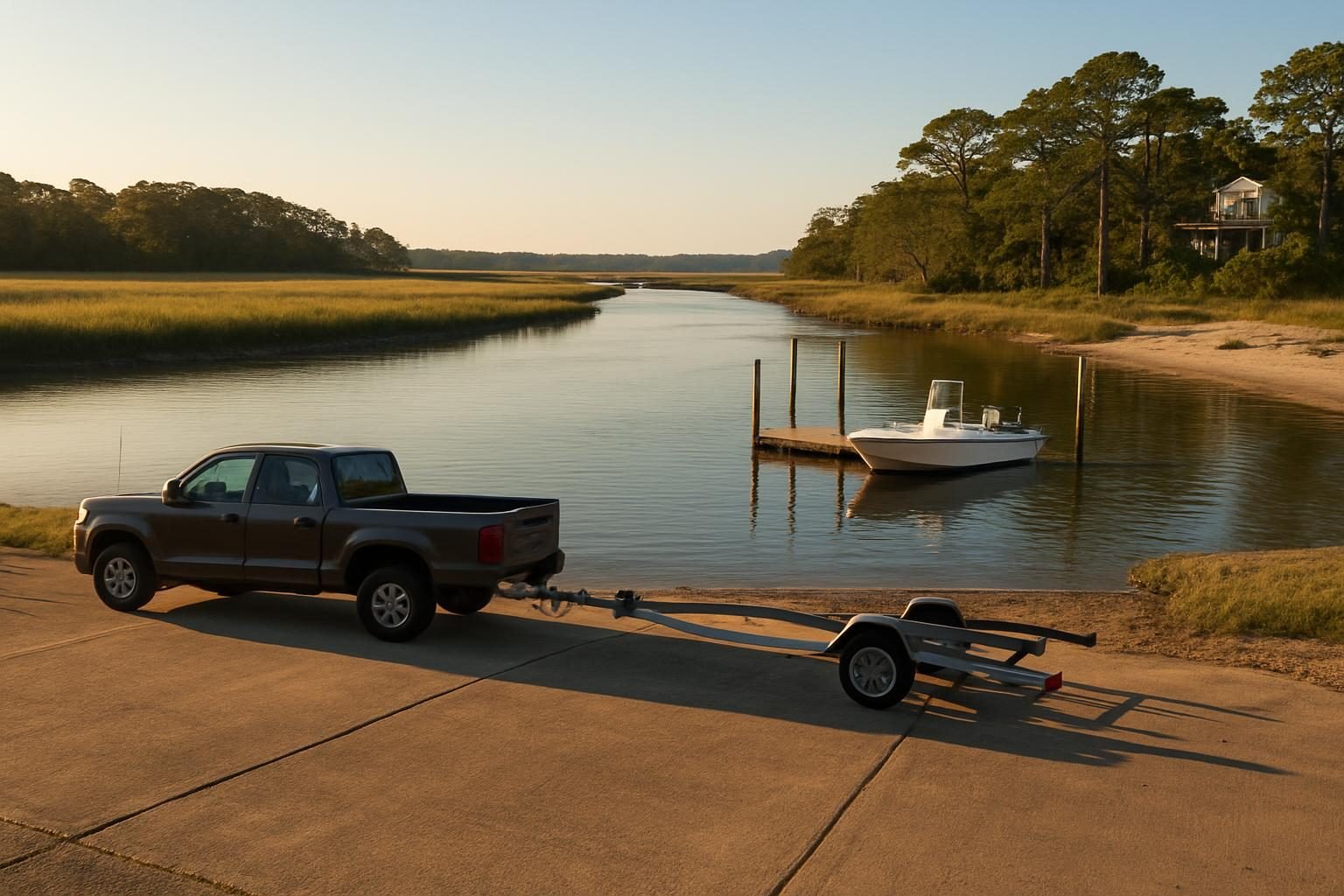
There are public boat ramps across the county, run by a mix of the state, Onslow County and individual towns. I am not going to list addresses or fees here, because they change and I would rather send you to a current source than give you stale information. What I can tell you is how access generally breaks down by area.
| Area | Water you reach | Best for | Watch for |
|---|---|---|---|
| Jacksonville and upper New River | Tidal river, calm and sheltered | Small boats, fishing, paddling, casual cruising | Low-hanging limbs, shallow edges, base-adjacent restrictions |
| Sneads Ferry and lower New River | Wide estuary, marsh, ICW access | Fishing, shrimping seasons, day trips | Shifting shoals, busy weekend ramps |
| Swansboro and White Oak River | Tidal river, Bogue Sound, ICW | Cruising, fishing, exploring toward Hammocks Beach | Strong current, boat traffic in summer |
| Topsail Island and North Topsail Beach side | ICW, sound, inlets | Sandbar trips, inlet fishing, beach access by boat | Tide-dependent depths, inlet currents |
Before You Tow
- Confirm the ramp is open and in good repair, especially after storms.
- Ask about parking for trucks with trailers and whether a fee or permit applies.
- Check tide: some ramps are tricky at dead low.
- Arrive early on summer weekends, since popular ramps fill quickly.
- Have your registration, safety gear and drain plug sorted before you reach the ramp, not at it.
Local tip: Do your boat prep in the parking area, not on the ramp. Load coolers, gear and passengers first, then back down, launch and move your truck. Locals notice, and the line behind you will thank you.
Private Marinas and Dry Storage
If you do not want to tow every time, the county has marinas and dry-stack options, especially around Sneads Ferry, Swansboro and the Topsail area. Rates and availability vary, and waitlists are common in peak season. Military families on a short tour often find that launching from a public ramp as needed is simpler than committing to a slip.
Pick your ramp for the water you want to reach, not just the one closest to your driveway.
North Carolina Boating Rules You Need to Know
Boating in North Carolina is regulated by the state, and the NC Wildlife Resources Commission is the agency to check for current requirements. Rules change, so treat this as a starting checklist and verify details on their official site before you launch.
- Registration: Motorized boats generally need to be registered and display their numbers properly.
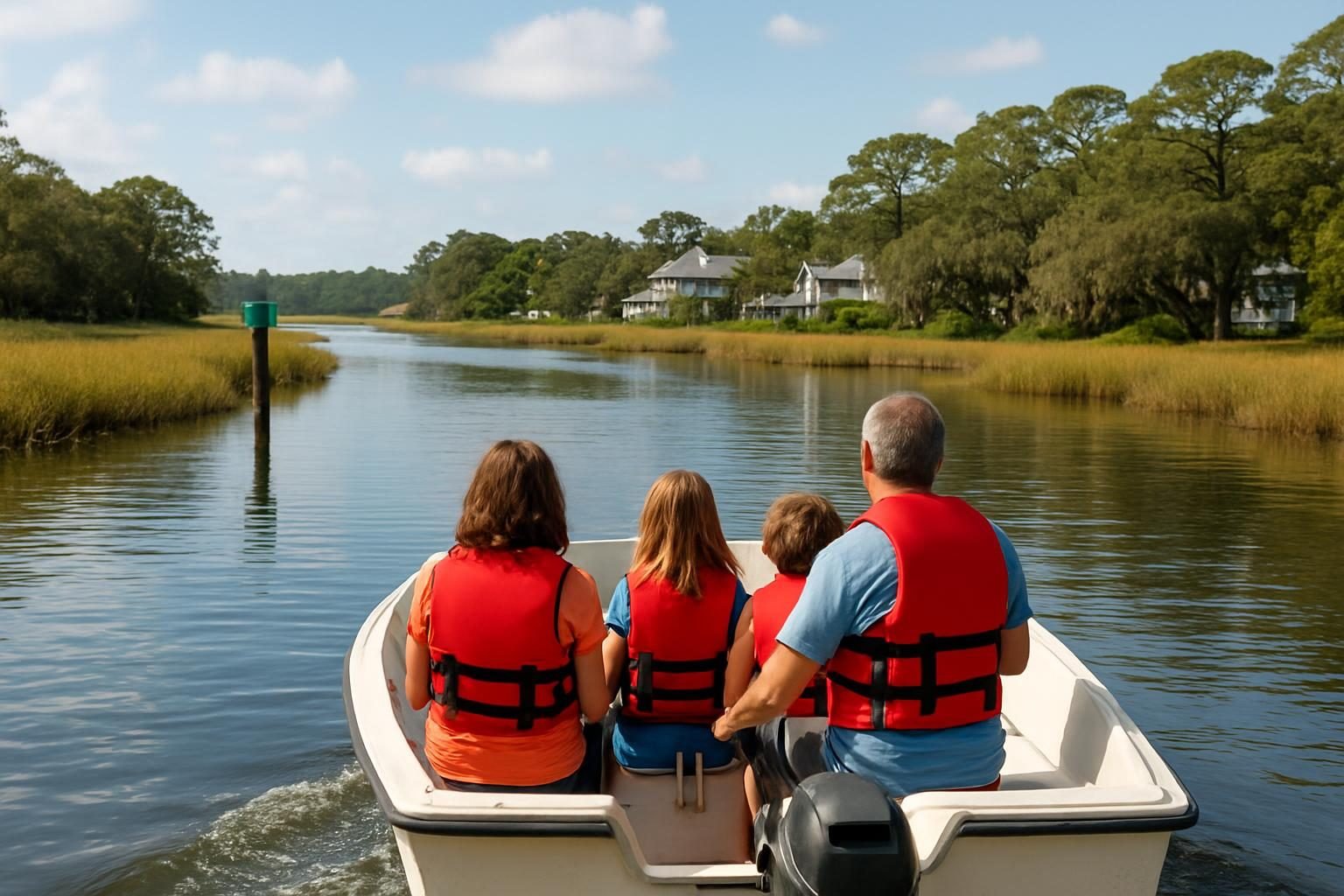
- Life jackets: You need a properly fitting, accessible life jacket for every person aboard, and children have specific wearing requirements.
- Boater education: North Carolina has education requirements that apply based on age and the type of vessel, so confirm what applies to you.
- Required equipment: Navigation lights, sound-producing devices, fire extinguishers and similar gear depend on boat size and type.
- Impaired operation: Boating under the influence is illegal and enforced on the water, just as it is on the road.
- No-wake zones: Many areas near marinas, ramps and bridges are posted. Slow down and watch your wake.
Moving From Another State
If you PCS’d here with a boat, do not assume your old state’s registration and rules carry over. Look up North Carolina’s requirements as soon as you arrive. Our Camp Lejeune PCS guide covers the broader move, and the boat paperwork is one more item to put on that list.
Fishing Licenses and Rules
If your trip includes fishing, saltwater and freshwater licensing, size limits and seasons are separate from boating rules. Our fishing guide for Onslow County walks through where and how people fish here, and you should confirm current regulations before you drop a line.
Tides, Weather and Staying Safe on the Water
Most boating problems in this county are not about the boat. They are about tide, wind and timing. Learn those three and you avoid most of the stories people tell at the dock.
Read the Tide First
Tides here move a lot of water through narrow channels. Falling tide can strand you on a sandbar or oyster bar, and strong current near inlets and bridges can push a small boat around. Check a tide chart before you leave and plan your return, not just your departure.
Local tip: Run new areas on a rising tide when you can. If you touch bottom, you have water coming to float you off instead of leaving you waiting for the next cycle.
Weather and Seasons
Summer brings heat, humidity and fast-building afternoon thunderstorms. Start early, watch the sky to the west and head in when clouds stack up. Spring and fall can be the best boating, with milder temperatures and fewer crowds, though wind and cold fronts can kick up chop.
Hurricane season runs through the fall, and a coastal storm changes everything about boat ownership. Have a plan for hauling out, securing or moving your boat well before a storm is on the radar. Our Jacksonville weather by month guide helps you match your outings to the season.
Check the tide chart, the wind forecast and the western sky before you leave the ramp, every single time.
Safety Basics That Matter Here
- File a simple float plan with someone on shore: where you are going and when you will be back.
- Wear your life jacket. Cold water, current and boat traffic do not care how well you swim.
- Carry a charged phone in a waterproof case and a VHF radio if you go beyond the river.
- Keep an anchor, tow line, first aid kit and plenty of water aboard.
- Respect marked channels and restricted areas, especially near military property.
Where Boating Leads: Destinations by Water
Part of the fun of boat ownership here is the places you can reach that cars cannot. A few ideas to get you started:
- Hammocks Beach and Bear Island: The barrier island is a favorite boating and paddling destination. See our Hammocks Beach State Park visitor guide before you plan the trip.
- Salt marsh creeks: Smaller boats and kayaks can explore the marsh. Our kayaking the salt marshes guide is a good primer for quieter water.
- Topsail Island: Boaters often anchor near the beach side or visit by water. Pair it with our North Topsail Beach guide for access and parking if you decide to come in by land instead.
- Waterfront meals: Swansboro and the Sneads Ferry area both have waterfront dining. Our Swansboro waterfront dining guide helps you plan a boat-in or drive-in lunch.
If you are comparing towns because you want to live near the water, our guide to living in Sneads Ferry and our guide to living in Swansboro cover the waterfront lifestyle in more depth. For more on how boating fits with beaches and the rest of the outdoors, start at our Onslow County beach guide, which anchors our Outdoors section.
Boating in Onslow County FAQ
Where are the public boat ramps in Onslow County?
Public ramps are spread across the New River corridor near Jacksonville, around Sneads Ferry, in the Swansboro area and near the Intracoastal Waterway by Topsail Island. Because ownership and rules vary, check with the NC Wildlife Resources Commission or the local town for current locations, fees and conditions.
Do I need to register my boat in North Carolina?
Most motorized boats need to be registered, and there are rules about displaying numbers and carrying documentation. If you moved here from another state, do not assume your old registration is enough. Confirm requirements with the NC Wildlife Resources Commission.
Is the New River good for beginners?
The upper New River near Jacksonville is generally calmer and more sheltered, which makes it a reasonable place to build skills. The lower river, the ICW and the inlets involve more current, shoals and boat traffic, so build up gradually and learn the tides first.
When is the best time of year to boat in Onslow County?
Many locals favor late spring and early fall for milder weather and fewer storms. Summer is great but hot, crowded and prone to afternoon thunderstorms, and hurricane season requires a plan for securing your boat.
Are there places near Camp Lejeune where boaters should be careful?
Yes. Some waters along and near the base have restrictions or posted areas. Follow all markers and signs, and check official Camp Lejeune resources if you are unsure about access.