Hammocks Beach State Park is one of the best reasons to live on the Onslow County coast. The park’s real prize is Bear Island, a roughly three-mile stretch of undeveloped barrier island that you can only reach by water. There are no condos, no boardwalk shops and no road, just dunes, sea oats, marsh and an empty beach.
This guide covers how to get there, what to bring, where to camp, when to go and what you might see. It is written for people who have lived here for years and for families who just PCS’d in and want a first trip that goes smoothly.
Quick answer: Hammocks Beach State Park sits near Swansboro, NC, and its main attraction, Bear Island, is reached by passenger ferry (seasonal) or by paddling your own kayak across the Intracoastal Waterway. Pack everything you need, including water and shade, because there are no stores on the island. Always check the park’s official NC State Parks page for current ferry schedules, fees, camping reservations and any closures before you drive out.
Key takeaways
- Bear Island is accessible only by water, via the park ferry or your own kayak or canoe.
- The ferry runs on a seasonal schedule, so verify dates, times and fees on the official park page.
- Bring all your own water, food, sun protection and trash bags; plan to carry out what you carry in.
- Late spring and early fall usually give the best mix of weather, fewer bugs and thinner crowds.
- Primitive camping is available on the island, but it requires advance planning and a reservation.
What Hammocks Beach State Park Actually Is
The park has two parts that feel like different worlds. The mainland district is where you park, pick up information and launch boats. Bear Island, along with neighboring Huggins Island and smaller marsh islands, is the wild side across the water.
The mainland side is the practical base. It has a visitor center, picnic areas and the departure point for the ferry and kayak access. Bear Island is the destination: miles of ocean beach backed by dunes, maritime forest patches and tidal flats.
Because the island is undeveloped, the experience depends heavily on what you bring and when you go. A calm weekday in May feels nothing like a packed July Saturday.
Why locals love it
Plenty of Onslow County beaches are good, but few feel remote. If you want to compare the options, our guide to the best beaches near Jacksonville, NC lays out the differences between the developed beaches and wilder ones like this.
How to Get to the Park from Jacksonville and Camp Lejeune
The park’s mainland entrance is on the Swansboro side of the county, so it is an easy drive from most of Onslow. From Jacksonville, most people head east and south through the Hubert area toward Swansboro, then follow the signs to the park. From the Camp Lejeune main gate area or Piney Green, expect a reasonable drive, usually well under an hour depending on traffic and where you start.
Use a current map app or the official park directions rather than relying on memory, since road projects and signage can change. If you are making a day of it, Swansboro is a natural stop before or after, and our guide to things to do in Swansboro covers the waterfront, shops and where to wander.
Local tip: Treat the mainland lot as your staging area. Sort your gear, fill water bottles and use the restroom before you board or launch, since facilities on the island are minimal or absent.
Getting to Bear Island: Ferry vs. Paddling
You have two main choices, and the right one depends on your group, your gear and your comfort on the water.
| Option | Best for | Things to know |
|---|---|---|
| Passenger ferry | Families, first-timers, anyone with lots of gear | Seasonal schedule and fees; confirm times and capacity on the official page |
| Kayak or canoe | Confident paddlers, adventurous groups | Depends on tide, wind and boat traffic; bring a PFD and plan your return |
Taking the ferry
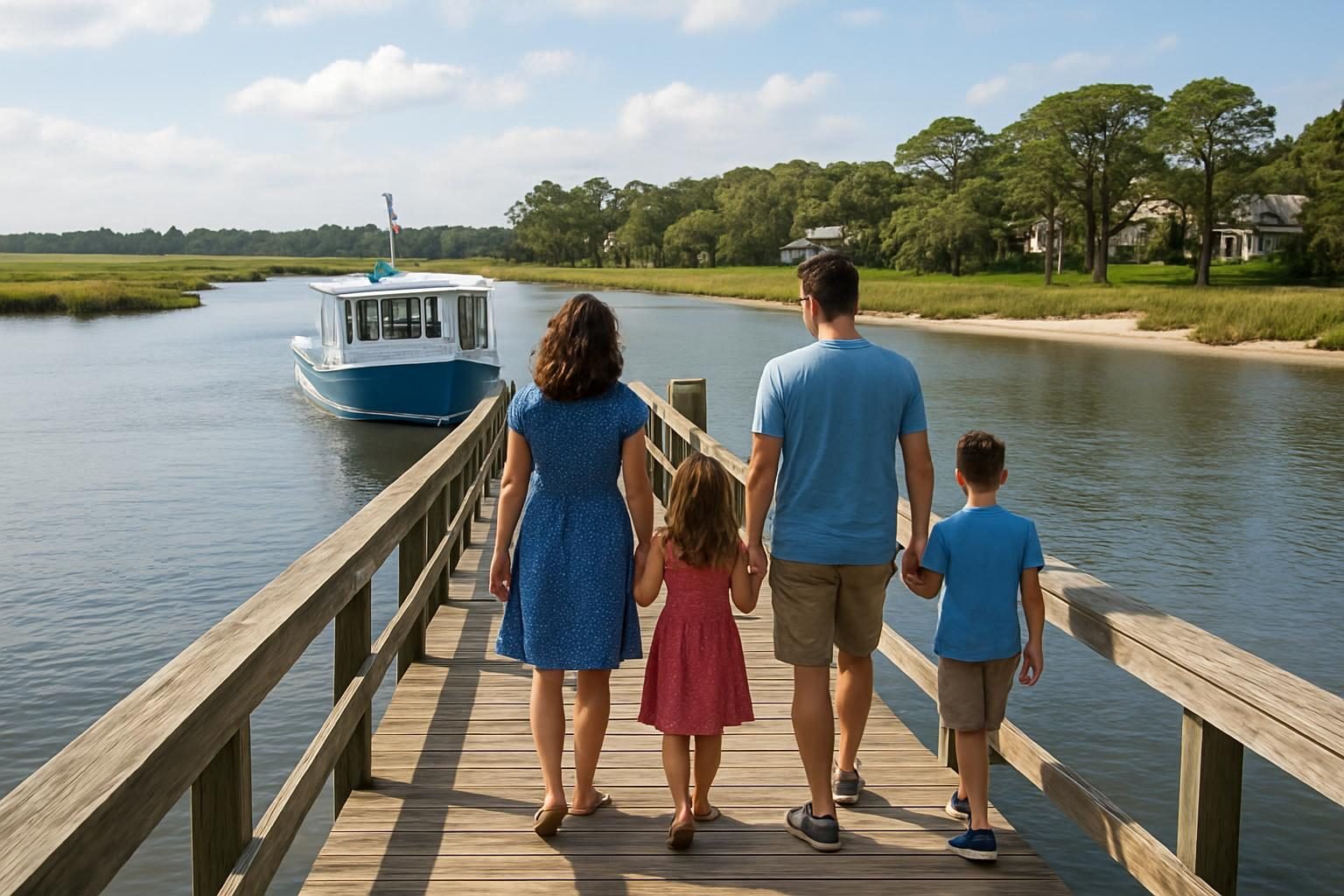
The ferry is the easy option. You park, board and cross the waterway to the island without worrying about currents or wind. Schedules and fees change by season, and the ferry typically does not run year-round, so check the park’s official page before you go.
Plan your return carefully. Missing the last boat back is the classic mistake, and it turns a relaxing beach day into a stressful one. Know the final departure time and give yourself a buffer.
Paddling across
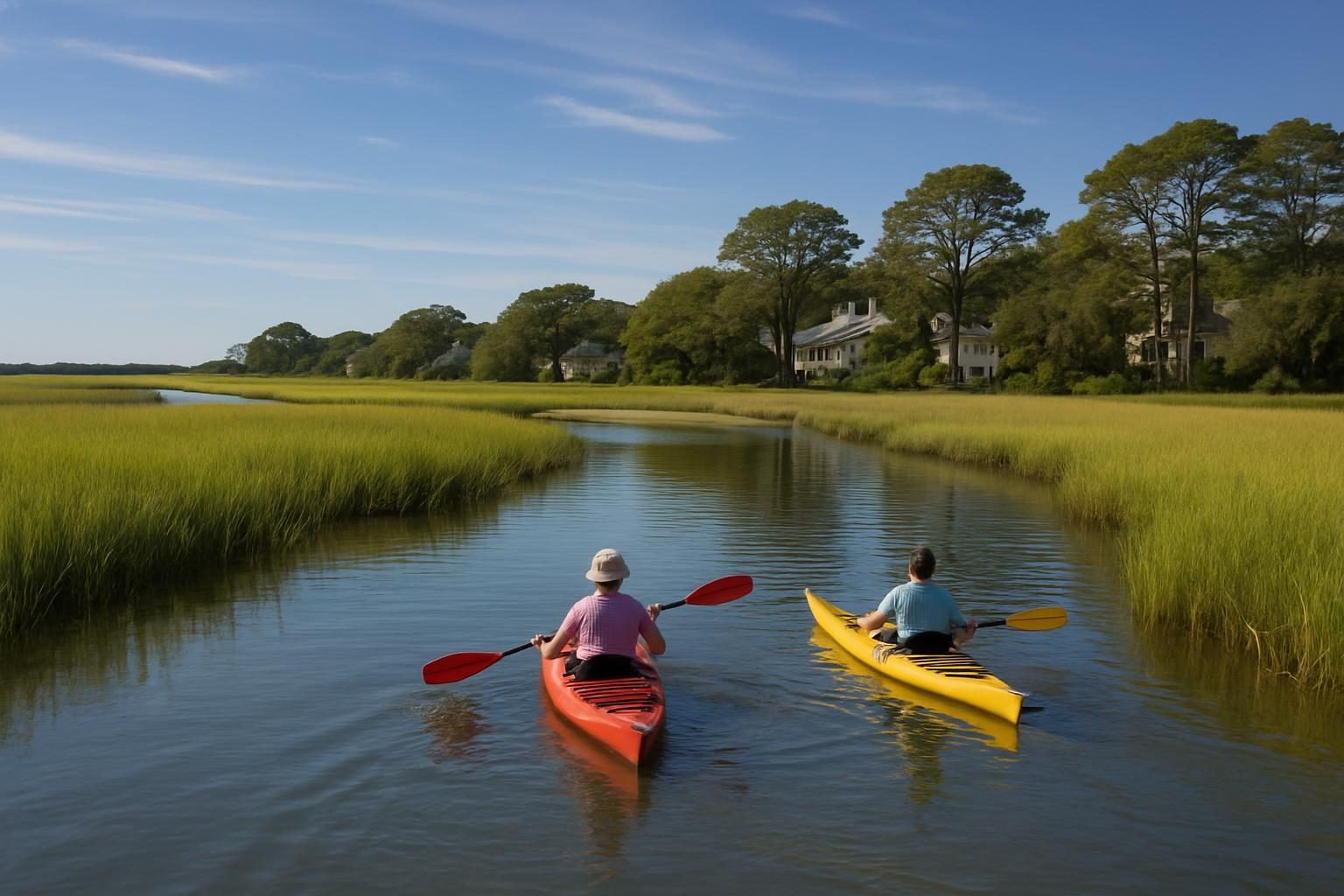
Paddling lets you set your own pace and explore the marsh channels along the way. It also demands more from you: you need to read the tide, watch the wind and stay aware of boat traffic in the Intracoastal Waterway. Wear a life jacket, carry a way to signal for help and tell someone your plan.
If you are new to this kind of water, start with our beginner’s guide to kayaking the salt marshes of Onslow County before attempting the crossing. For ramps and waterway rules around the county, watch for our upcoming guide to boat ramps and boating safety in Onslow County.
Bear Island has no road and no stores, so the trip is only as comfortable as the gear you carry across.
Camping on Bear Island
The park offers primitive camping, which means you are carrying your supplies to a basic site rather than pulling an RV up to a hookup. It is a rewarding experience if you like quiet nights and star-filled skies, and a poor fit if you expect conveniences.
Camping typically requires advance reservations and has its own rules about group size, fires and stays. Details, availability and fees change, so use the official NC State Parks reservation information for current requirements.
What primitive camping means in practice
- You haul in water, food, shelter and bedding, and haul out all trash.
- Facilities are basic, so plan for limited or no amenities.
- Weather can shift fast on a barrier island, so bring gear that handles wind and rain.
- Check current fire and food-storage rules before packing.
Local tip: Use heavy-duty stakes or sand anchors for your tent. Standard stakes pull out easily in loose beach sand, and coastal wind can arrive with little warning.
What to Bring
The single best piece of advice is to pack as if there is nothing available on the island, because there is not. Here is a practical checklist.
- Water: More than you think you need, especially in summer.
- Sun protection: Hat, sunscreen, sunglasses and a shade structure or umbrella.
- Bug protection: Repellent for the marsh edges and calm evenings.
- Food and a cooler: Plus bags to pack out every scrap of trash.
- Footwear: Water shoes for the landing and sandals or sneakers for walking.
- Basics: First-aid kit, a charged phone in a waterproof bag and a small tide chart or app.
- For paddlers: Life jackets, a whistle, a dry bag and a plan for the return crossing.
If you are shopping for lunch to bring, our guide to fresh seafood in Jacksonville is a good starting point for a post-beach dinner on the way home.
Best Seasons to Visit
Each season has trade-offs, so match your trip to what you want out of it.
| Season | What to expect |
|---|---|
| Spring | Mild weather, blooming dunes and comfortable walking; a favorite for many locals |
| Summer | Warm water and long days, but heat, humidity, bugs and bigger crowds |
| Fall | Often excellent: softer light, calmer crowds and warm water lingering into autumn |
| Winter | Quiet and uncrowded, but cold wind and limited or no ferry service |
Keep hurricane season in mind. Storms can reshape the shoreline, close the ferry and change conditions on short notice, so watch forecasts and the park’s alerts if you are visiting late summer or early fall.
Spring and early fall usually give you the best balance of comfortable weather, manageable bugs and room to spread out.
Wildlife and Nature to Watch For
Bear Island is a living piece of the coast. The beach, dunes, marsh and tidal flats each support different species, and you do not need to be an expert to enjoy them.
- Shorebirds and seabirds: Watch the waterline and sandbars, especially during migration seasons.
- Sea turtles: Nesting happens on local beaches in warmer months; give nests and marked areas a wide berth.
- Marsh life: Fiddler crabs, wading birds and small fish are easy to spot along the edges.
- Dune plants: Sea oats and other dune vegetation hold the island together, so stay on paths and off the dunes.
Follow Leave No Trace habits: keep your distance from wildlife, never feed animals and pack out everything you bring. Following posted rules protects fragile nesting areas and keeps the island wild for the next visitor.
Other Ways to Round Out the Day
A trip to the park pairs well with other nearby outings. If you like being outside, our upcoming guides to hiking and walking trails near Jacksonville and the best parks in Jacksonville and Onslow County will help you plan more outings. Anglers can look forward to our guide to fishing in Onslow County, and beach fans can compare this trip to the developed shoreline in our North Topsail Beach guide.
For the full picture of the coast, our Onslow County beach guide is the best place to start, and our hidden gems roundup has more places worth a detour. On a budget, check the free things to do in Jacksonville list too.
Hammocks Beach State Park FAQ
Do I need a boat to get to Bear Island?
You need some way across the water, but not necessarily your own boat. Most visitors take the park’s passenger ferry, while others paddle their own kayak or canoe. Check the official park page for current ferry details.
Is there a fee to visit?
Fees can apply for the ferry, camping and certain services, and they change over time. Confirm current prices on the official NC State Parks page for Hammocks Beach before you go.
Can I camp on Bear Island?
Yes, the park offers primitive camping, but it requires advance planning and a reservation. You will need to bring everything you use and pack out all trash. Use the official reservation information for current rules and availability.
Are there stores or restaurants on the island?
No. Bring all your own water, food and supplies, and plan to carry out your trash. The mainland area and nearby Swansboro are better places to stop for meals and extras.
When is the best time to go?
Late spring and early fall are popular choices for comfortable weather and fewer bugs. Summer is warm and busy, and winter is quiet but cold, with limited ferry service. Always check the park’s current schedule and weather before you head out.