If you have ever sat through a multi-day outage after a hurricane or nor’easter in Onslow County, you already know why people start pricing a standby generator. Whole house generator installation in Jacksonville, NC is one of the bigger home-service decisions you can make: it involves electrical work, fuel lines, permits and a pad outside your house. This guide walks through sizing, fuel choices, permitting, cost ranges and how to hire the right installer, so you can make the call before the next storm is spinning up off Cape Lookout.
Quick answer: A typical whole-house standby generator installation in the Jacksonville area runs roughly $10,000 to $22,000 or more installed, depending on size, fuel type, transfer switch and site work. Most homes land in the 18 to 24 kW range. You will need electrical and, for gas, plumbing or gas-fitting permits through the city or county, and the work should be done by a licensed NC electrical contractor. Get at least three written quotes before you commit.
Key takeaways
- Budget a typical range of about $10,000 to $22,000+ installed; larger homes and complex sites cost more.
- Size from a load calculation, not guesswork. Many 2,000 to 2,800 sq ft homes land around 18 to 24 kW.
- Natural gas is convenient where lines exist; propane works in Hubert, Sneads Ferry and rural spots without gas service.
- Permits and inspections are required, and a licensed NC electrical contractor should pull them.
- Placement matters in flood zones and near the water: elevation and salt air affect where and how the unit goes in.
If you would rather skip the legwork, you can request generator installation help from a vetted local pro using the form on this page.
Why Onslow County Homes Install Whole-House Generators
Our outages are not usually a flickering-lights kind of problem. Hurricane season brings downed lines, flooded substations and restoration timelines that can stretch days, and summer thunderstorms knock out power just as the humidity peaks. If you want a sense of how the calendar breaks down, our Jacksonville, NC weather by month guide shows when the risk is highest.
A whole-house standby generator sits outside, monitors utility power and starts automatically when it drops. Within seconds your lights, refrigerator, well pump (if you have one), sump pump and air conditioning come back on without you moving a muscle.
That matters for different households in different ways:
- Families with young kids or medical equipment: keeping power on is a safety issue, not a convenience.
- Military families on deployment cycles: if your spouse is away, an automatic system means you are not wrestling a portable unit alone in the dark. New to the area? Our Camp Lejeune PCS guide covers the rest of the move.
- Homes with wells or septic pumps: common in Hubert, Richlands and parts of Sneads Ferry, where no power can mean no water.
- Anyone worried about the food in the freezer: this is a coastal county, and a chest freezer full of shrimp and fish is worth protecting.
A standby generator is not a luxury in hurricane country; it is insurance that starts itself.

How to Size a Whole-House Generator
Sizing is where most bad installs start. Too small and the unit trips or struggles when your AC kicks on; too large and you pay for capacity you never use. The right answer comes from a load calculation, which a good installer will do at your house.
What drives the size you need
The biggest factor in our climate is air conditioning. A central AC compressor draws a large surge when it starts, and many homes here have one or two systems. If you run two zones, sizing needs to account for both.
- Central AC and heat pump: the largest single load for most homes.
- Electric water heater, range and dryer: big draws that you may choose to leave off the backed-up circuits.
- Well pump and sump pump: modest running loads but critical ones.
- Refrigerators, freezers, lighting, internet and electronics: small but constant.
Typical sizing ranges
These are general ranges, not a substitute for a load calculation on your home.
| Home type | Typical generator size | What it usually covers |
|---|---|---|
| Small home or condo, one AC unit | 10 to 14 kW | Essentials plus one AC zone |
| Average 1,800 to 2,800 sq ft home | 18 to 24 kW | Most of the house, including AC |
| Large home, two AC systems, pool pump | 26 to 38 kW | Whole house with multiple large loads |
Whole-house vs essential-circuits panels
You do not have to back up everything. A smaller generator with a load-management or essential-circuits setup can power the AC, fridge and lights while leaving the dryer and electric range off. That can trim thousands off the project. Ask every installer to quote both options so you can compare.
Local tip: Ask for the load calculation in writing and have each installer use the same assumptions, such as number of AC units and which big appliances are included. It is the only way to compare quotes fairly.
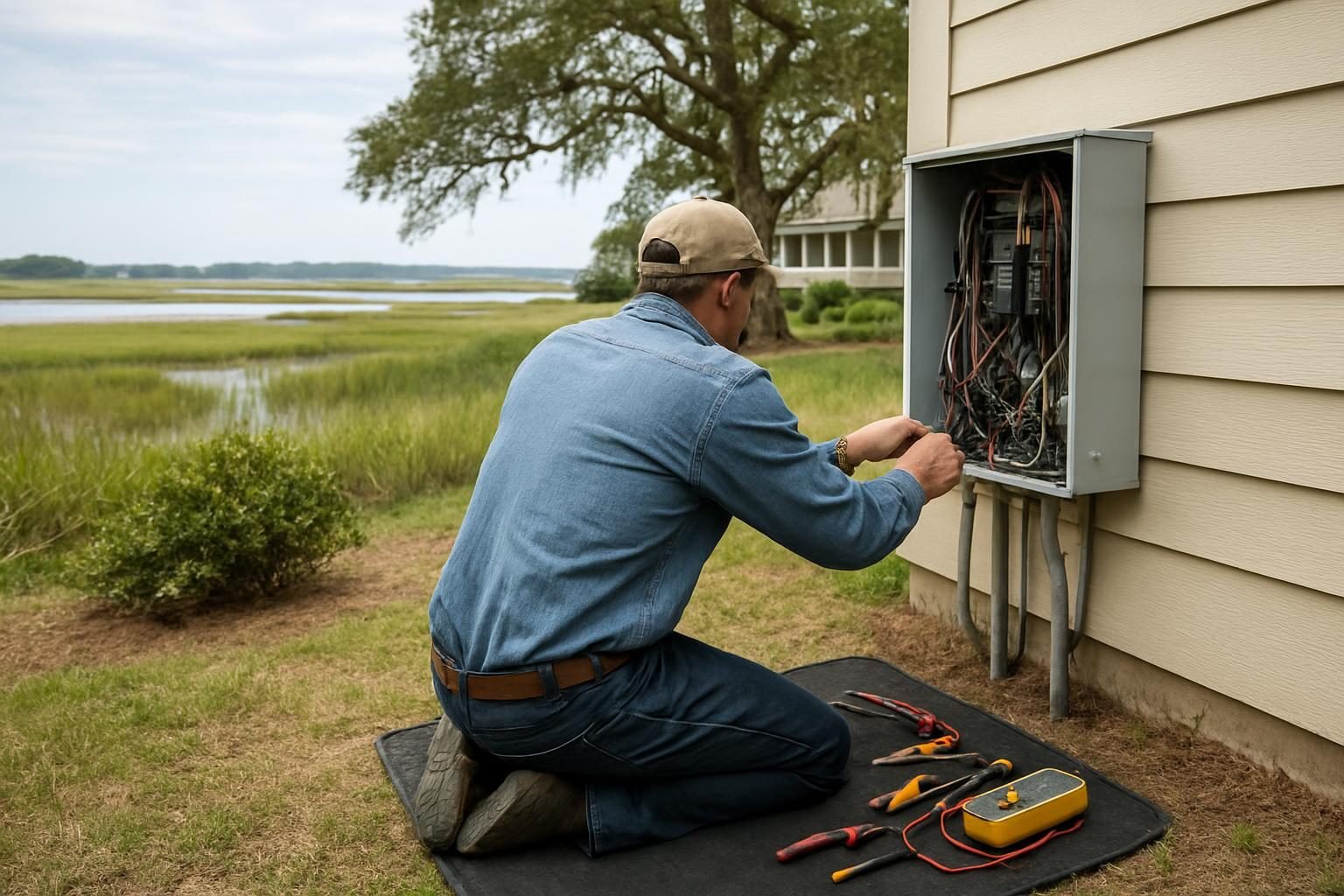
Natural Gas vs Propane: Which Fuel Fits Your Home
Fuel choice shapes your cost, your runtime and where you can install. Both work well; the right one depends on what is available at your address.
| Factor | Natural gas | Propane |
|---|---|---|
| Fuel supply | Unlimited from the utility line | Limited to tank size; needs refills |
| Availability | Only where gas mains reach | Anywhere you can place a tank |
| Upfront extras | May need a larger meter or line upgrade | Tank purchase or lease, plus placement |
| Storm risk | Underground lines are fairly resilient | Delivery trucks can be delayed after a storm |
| Runtime | Runs as long as the gas flows | Depends on tank size and load |
When natural gas makes sense
If you are in a neighborhood within Jacksonville city limits that already has gas service, natural gas is usually the simplest path. You are not tracking tank levels or scheduling deliveries. Confirm with your gas provider that the existing meter and line can handle the added generator load, because an upgrade can add cost.
When propane is the better call
Many homes in Hubert, Richlands, Maysville and the more rural stretches toward Sneads Ferry simply do not have natural gas available. Propane solves that, usually with a buried or above-ground tank. Larger tanks give you longer runtime, which matters if roads are blocked and delivery trucks cannot reach you for days.
For waterfront and low-lying lots, tank placement needs extra thought. Above-ground tanks in flood-prone areas need proper anchoring, and buried tanks have their own flotation considerations. Your installer and propane supplier should address this directly.
Natural gas never runs out, but propane goes anywhere. Your address usually decides for you.
Permits, Codes and Flood-Zone Placement
A standby generator is not a plug-and-play appliance. It ties into your home’s electrical panel and a fuel line, so it falls under building, electrical and gas codes. In North Carolina, the electrical work must be done by a licensed electrical contractor, and fuel gas piping must be done by someone properly licensed for it.
What you will typically need
- Electrical permit: for the transfer switch, wiring and panel connection.
- Gas or mechanical permit: for the natural gas or propane piping, depending on the jurisdiction.
- Inspections: the work is inspected before it is approved and in service.
- HOA or architectural approval: if your neighborhood has covenants, check before you buy.
Which office handles your permit depends on where you live. Homes inside Jacksonville city limits go through the city, while many addresses outside the city fall under Onslow County. Swansboro, Holly Ridge and North Topsail Beach each have their own local processes too. Call the relevant building or inspections department to confirm current requirements; do not assume.
Placement rules that matter
Codes and manufacturer instructions set minimum distances from windows, doors, vents and property lines, mainly to keep exhaust and heat away from the house. Your installer should know the current clearances.
In flood zones, elevation is a big deal. A generator that floods during the storm it was bought for is a very expensive lawn ornament. Ask your installer about elevating the pad to the design flood elevation that applies to your lot. If you live on or near the water in Sneads Ferry or along the White Oak River near Swansboro, our guides to living in Sneads Ferry and living in Swansboro give useful context on waterfront homeownership.
Local tip: Before you sign, ask the installer who pulls the permit and who schedules the inspections. A contractor who offers to skip permits is a red flag, and it can cause real problems with insurance and resale.
Whole House Generator Installation Cost in Jacksonville, NC
Prices vary with unit size, fuel, site conditions and the contractor. The figures below are typical ranges and estimates for planning, not quotes. Your actual price will depend on a site visit.
| Cost item | Typical range (estimate) |
|---|---|
| Generator unit (10 to 24 kW) | $3,500 to $7,500 |
| Larger unit (26 to 38 kW) | $7,000 to $12,000+ |
| Automatic transfer switch | $500 to $2,000 |
| Electrical labor and wiring | $1,500 to $4,000 |
| Gas or propane piping | $500 to $3,000 |
| Pad, elevation and site prep | $300 to $2,500 |
| Permits and inspections | $150 to $800 |
| Total installed (common range) | $10,000 to $22,000+ |
What pushes the price up
- Long runs between the generator, the gas source and the electrical panel.
- A service panel that needs upgrading to accept a transfer switch.
- Elevated platforms for flood-prone lots.
- Buried propane tanks or gas meter upgrades.
- Corrosion-resistant enclosures and coastal-rated finishes for salt-air locations.
Ongoing costs to plan for
Standby generators need annual maintenance, typically oil, filters, spark plugs and a battery check, plus a periodic self-test cycle. Many installers offer maintenance plans. Propane owners also pay for fuel and delivery, and natural gas users see the cost on the utility bill only when it runs.
It is also worth checking with your insurance agent. Some insurers offer a discount for permanent standby generators, though you should confirm that directly with your carrier. And if a storm does hit, our guides on storm damage repair in Jacksonville and emergency roof repair after a hurricane walk through what comes next.
How to Hire a Licensed Generator Installer
The installer matters as much as the machine. A great generator installed badly can fail exactly when you need it. For a deeper look at vetting any contractor after a storm, see our upcoming guide on how to hire a contractor after hurricane damage in North Carolina.
Questions to ask every installer
- Are you a licensed NC electrical contractor, and can you show proof?
- Are you certified or authorized by the generator manufacturer you are recommending?
- Will you perform a written load calculation for my home?
- Who pulls the permits and schedules inspections?
- What does the quote include: transfer switch, pad, gas line, permit fees, commissioning?
- What warranty comes with the unit and the labor?
- Do you offer maintenance plans and emergency service during storms?
Red flags to walk away from
- No license, or a vague answer when you ask for it.
- Offers to skip the permit to save money.
- Large cash deposits demanded upfront with no written contract.
- Quotes that will not itemize equipment, labor and permits.
- Pressure tactics that spike just before a named storm arrives.
Timing matters too. Installers get slammed when a hurricane is in the Atlantic, and lead times for units and permits stretch out fast. The best time to buy is in the off-season, well before June.
Generator Installation Alongside Other Home Projects
If you are already planning other work, bundling can save on mobilization and make scheduling easier. Replacing an aging AC system changes your electrical load, so settle the HVAC decision first. Our guides on HVAC repair in Jacksonville and the upcoming AC installation cost in Jacksonville guide help you figure out what you are really powering.
If you are weighing a new roof or crawl space work, those projects can affect where equipment goes and how the site drains. Our roof replacement cost guide and the upcoming crawl space repair guide are good companions. And if a storm has already flooded your home, start with water damage restoration in Jacksonville.
Ready to compare options? Request generator installation quotes from a vetted local pro and we will connect you with Jacksonville-area help.
FAQ: Whole-House Generators in Jacksonville, NC
How much does a whole house generator cost to install in Jacksonville, NC?
Typical installed costs range from roughly $10,000 to $22,000 or more, depending on generator size, fuel type, transfer switch, site work and permits. These are estimates; get at least three itemized written quotes for your specific home.
What size generator do I need for my house?
Many average-sized homes land between 18 and 24 kW, but the right size comes from a load calculation that accounts for your AC units, appliances and well or sump pumps. Smaller units with load management can work if you do not need to back up everything.
Is natural gas or propane better for a standby generator?
Natural gas is convenient and has an unlimited supply where gas lines exist. Propane works anywhere but is limited by tank size and delivery access. In rural parts of Onslow County without gas mains, propane is often the practical choice.
Do I need a permit to install a whole house generator?
Yes. Installation typically requires electrical and gas or mechanical permits plus inspections, and the electrical work should be done by a licensed NC electrical contractor. Check with the City of Jacksonville or Onslow County, or your town’s office, for current requirements.
Can I install a generator in a flood zone?
Often yes, but the unit usually needs to be elevated above the applicable flood elevation and anchored properly. Ask your installer and your local floodplain administrator what applies to your lot before you buy.
Get free generator installation quotes from Jacksonville pros
Tell us about your home and we will connect you with a vetted, licensed local installer who can schedule a site visit and send a written quote.