If you own a home anywhere from Piney Green to Sneads Ferry, your roof takes a beating: salt air, summer humidity, afternoon thunderstorms and the occasional hurricane. Picking among the roofing contractors in Jacksonville, NC is one of the bigger home decisions you will make, and it is easy to get wrong when you are rushed after a storm or new to the area after a PCS.
This guide walks through what to verify, what to ask, what to avoid and how to compare bids, with coastal North Carolina specifics along the way.
Quick answer
The short version: hire a roofer who can show current liability and workers’ compensation insurance, who pulls the permit, who puts the scope, shingle type, wind rating and warranty in writing, and who has a track record you can verify locally. In North Carolina, roofing work that is not a licensed general contractor’s job is generally open to roofing specialists, but large projects can trigger licensing requirements, so always confirm status with the NC Licensing Board for General Contractors and your county or city inspections office. Get at least three written bids and never pay the full amount upfront.
Key takeaways
- Ask for proof of liability and workers’ comp insurance, and verify it with the carrier, not just a photocopy.
- On the coast, wind rating, underlayment and fastening details matter as much as the shingle brand.
- Compare bids line by line: tear-off, decking repair, flashing, ventilation, permit and cleanup should all be spelled out.
- Be wary of door-knockers, pressure to sign the same day and anyone asking for a large deposit.
- Separate the manufacturer warranty from the contractor’s workmanship warranty and get both in writing.
If you would rather skip the legwork of finding candidates, you can request roofing help from a vetted local pro using the form on this page.
Why Choosing a Roofer in Onslow County Is Different
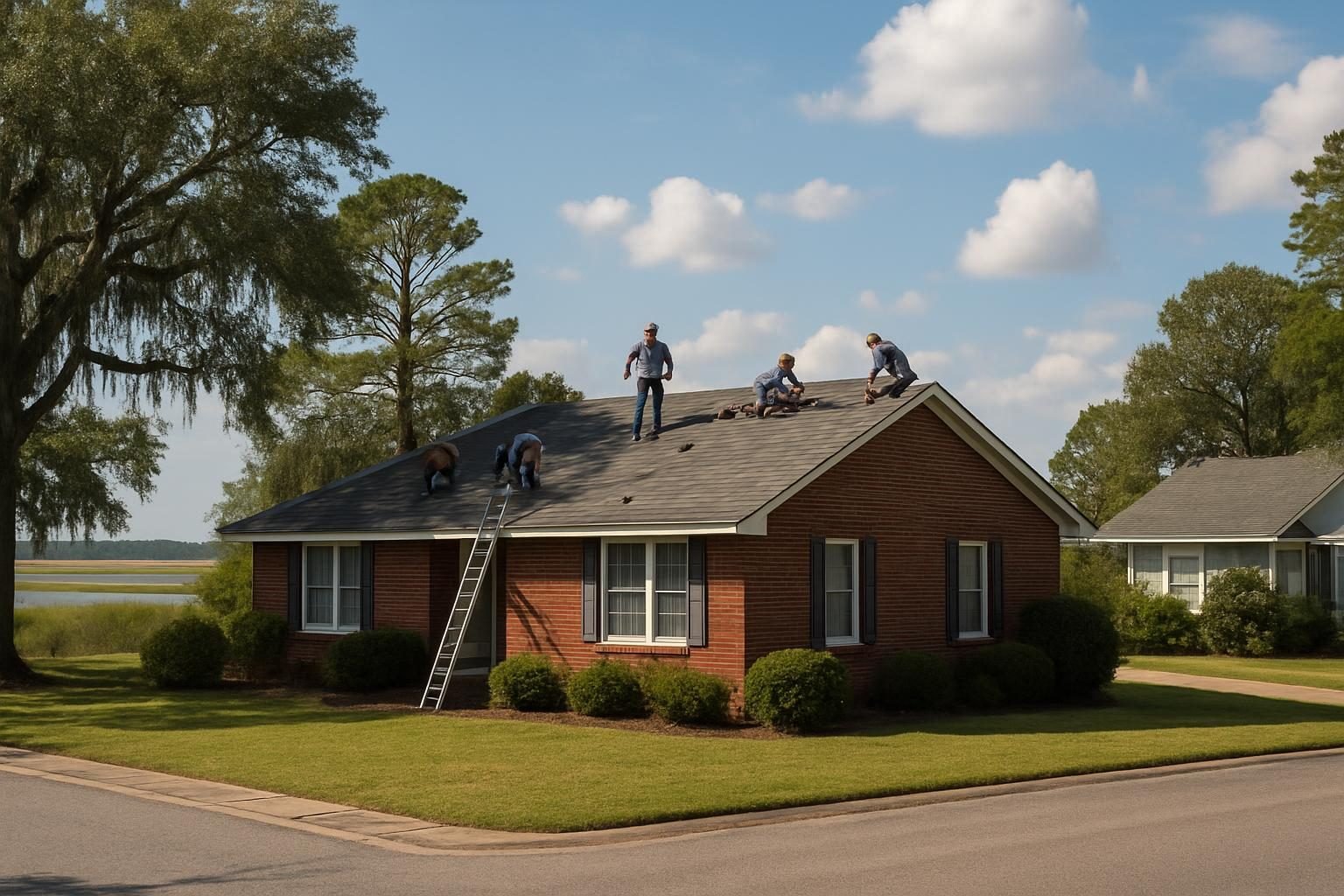
Onslow County sits on the coastal plain, close enough to the water that tropical systems are a real part of the planning calendar. Wind-driven rain, flying debris and long stretches of heat and humidity all stress a roof differently than they would inland.
Add the military cycle and you get a market with a lot of newcomers, a lot of rentals and a lot of homes that change hands quickly. That mix is exactly where fast-talking, short-lived operators thrive.
What coastal conditions do to a roof
- Wind: uplift at the edges, ridge and corners is where shingles fail first.
- Humidity and heat: poor attic ventilation cooks shingles from below and invites moisture problems.
- Salt air: accelerates corrosion on cheap flashing, nails and metal accessories, especially closer to the Intracoastal and the beaches.
- Algae and moss: dark streaks are common in humid shade; some shingles are made with algae-resistant granules.
If you are still budgeting, our roof replacement cost guide for Jacksonville breaks down typical price ranges so you know what a reasonable bid looks like.
On this coast, a roof is only as good as its fastening, flashing and ventilation, not just the shingle on top.
NC Licensing: What to Verify Before You Sign
North Carolina does not have a single, statewide “roofing license” the way people often assume. Instead, requirements depend on the size and nature of the job and on how the contractor is structured.
The practical approach is to verify, not assume. A legitimate roofer will not be offended when you ask.
Licensing checklist
- Ask for the company’s legal business name and look it up with the NC Secretary of State to confirm it is registered and active.
- Check the NC Licensing Board for General Contractors to see whether a license is required for your project’s value and whether the contractor holds one.
- Ask who pulls the permit. Re-roofs commonly require a permit through the city of Jacksonville or Onslow County inspections, depending on where you live; confirm with the local office.
- Check the Better Business Bureau and the NC Attorney General’s consumer complaint history for patterns.
- Ask for a physical business address and a local presence you can visit, not just a phone number and a truck.
Rules and thresholds can change, so treat this as a starting point and confirm current requirements with the state board and your local inspections department.
Local tip: Call the inspections office for your address before you hire anyone. They can tell you whether a permit is required and whether the contractor you are considering has pulled permits in the area before.
Insurance: Your Real Protection
Licensing tells you a little. Insurance tells you a lot. A roof job puts workers on a steep surface over your property, and an uninsured accident can land on your homeowners policy.
What to ask for
- General liability insurance: covers damage to your home or belongings caused by the crew.
- Workers’ compensation: covers injured workers so you are not exposed to a claim.
- Certificates sent directly: have the insurance agent email the certificate to you, with your name as certificate holder, rather than accepting a copy handed over by the contractor.
- Current dates: check that the policy is active through the whole job.
Be cautious of contractors who say they are “covered under someone else’s policy” or who rely on independent subcontractors without clear coverage. Ask directly who is actually on your roof.
Wind-Rated Shingles and Coastal Roofing Details
Shingle packaging lists a wind rating, and in a hurricane-exposed county it deserves attention. Higher ratings generally reflect stronger sealing and testing, but the rating only holds up if the installation follows the manufacturer’s instructions.
That is why the details of the install matter as much as the product.
What to discuss with your roofer
- Wind rating of the shingle: ask what rating the product carries and what installation method that rating assumes.
- Fastening pattern: the number and placement of nails per shingle affects uplift resistance.
- Underlayment: ask about synthetic underlayment and sealed deck options that help if shingles are lost in a storm.
- Starter strips and edge metal: edges and rakes are where wind gets under a roof.
- Ventilation: balanced intake and exhaust reduces heat and moisture in humid summers.
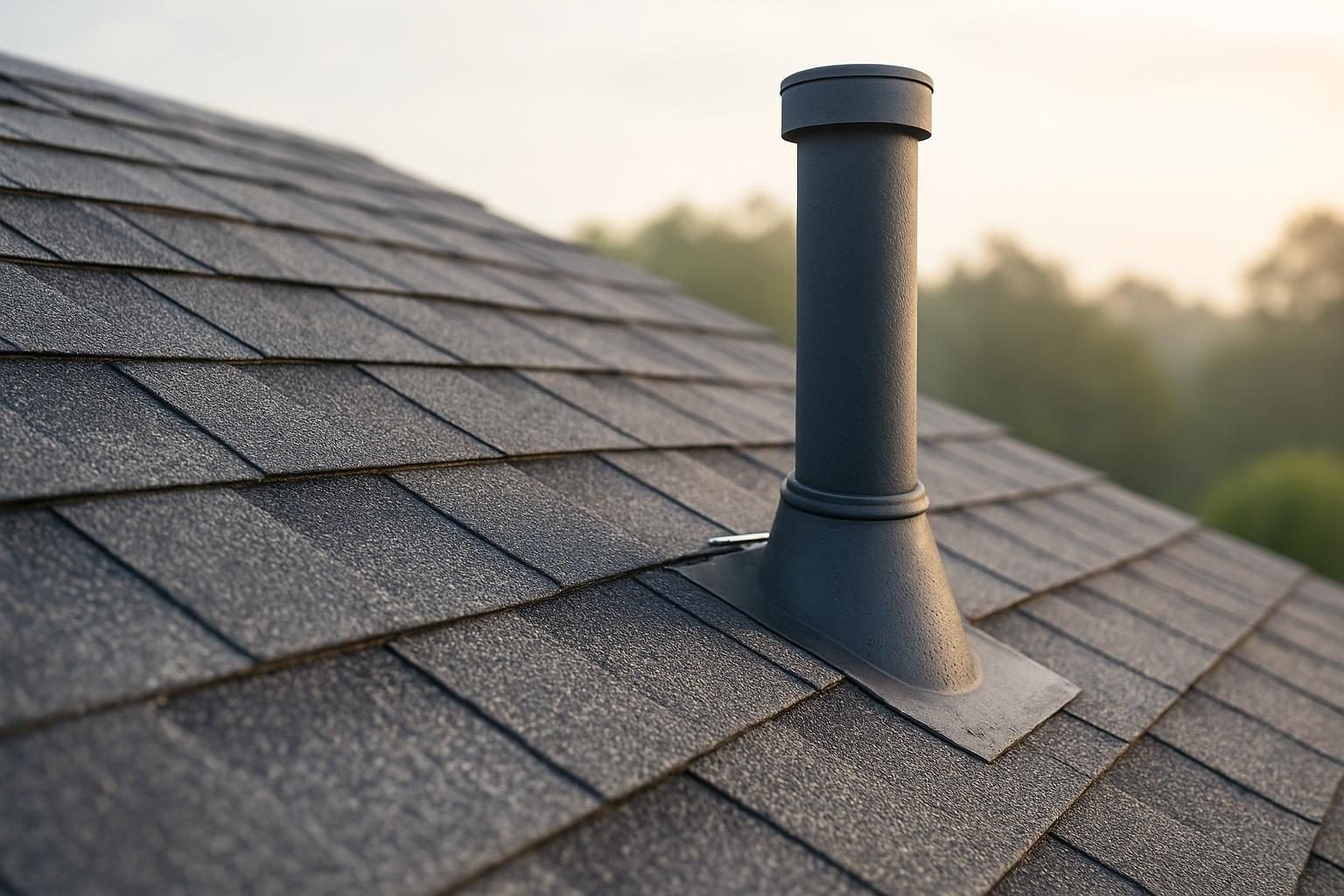
- Flashing: corrosion-resistant materials around chimneys, vents and walls make sense near salt air.
Some insurers offer discounts for certain roof features or inspections. Ask your insurance agent what documentation they want before the job so the paperwork is ready when it is done.
Shingles vs. metal at a glance
| Factor | Architectural shingles | Metal roofing |
|---|---|---|
| Upfront cost | Generally lower | Generally higher |
| Wind performance | Good when high-rated and properly fastened | Strong when installed with the right panel and fastener system |
| Salt air | Not affected by corrosion, but granules age | Needs coastal-appropriate coatings and fasteners |
| Lifespan | Shorter | Often longer |
| Installer pool | Large | Smaller; ask about experience |
Ask what the wind rating assumes about installation, because a strong shingle nailed poorly is still a weak roof.
Warranties: Know What Is Actually Covered
There are usually two separate warranties, and people often mix them up. One comes from the manufacturer and covers the materials. The other comes from the contractor and covers the workmanship.
What to get in writing
- Manufacturer warranty: ask for the exact warranty name, term, whether it is transferable and what conditions apply.
- Workmanship warranty: ask how many years it lasts and what it covers, such as leaks from flashing or fastening errors.
- Exclusions: many warranties exclude storm damage. That is normally a homeowners insurance matter.
- Who stands behind it: a warranty is only as good as the company that is still around to honor it.
If you are buying or selling, a transferable warranty can be a real selling point. Military families who may sell after a few years should ask about this specifically; our guide to Jacksonville neighborhoods and Onslow County towns is a useful companion when thinking about long-term home decisions.
Red Flags When Hiring a Roofer
Most roofers in the area are honest working businesses. A few patterns, though, show up again and again in complaints.
Walk away if you see these
- Door-to-door pitches right after a storm, especially from crews with out-of-state plates or no local address.
- Pressure to sign today for a “special price.”
- A request for a large deposit or full payment before work begins.
- No written contract, or a contract that lacks scope, materials and warranty details.
- Offers to “cover your deductible” or to handle your insurance claim for you in ways that blur the line between roofing and claims advice.
- No permit, or a suggestion that you do not need one.
- Vague answers about insurance, or a certificate that does not come from the agent.
After a hurricane, demand surges and scams spike. Our upcoming guide on how to hire a contractor after hurricane damage in North Carolina covers that situation in more depth, and if you need a fast fix, see emergency roof repair after a hurricane.
Local tip: After a storm, a temporary tarp from a reputable local company is often smarter than a rushed full replacement. Document everything with photos and call your insurer before signing a big contract.
Questions to Ask Every Roofing Contractor
Use the same list with every company so the answers are easy to compare.
- How long have you operated under this business name, and where is your office?
- Can you send current liability and workers’ comp certificates directly from your agent?
- Who will pull the permit, and will you handle the inspection?
- Will your own crew do the work, or will you use subcontractors?
- What shingle or metal product do you propose, and what is its wind rating?
- What does your price include: tear-off, disposal, deck repair, underlayment, flashing, ventilation and cleanup?
- How do you price replacement of rotted decking if it is found?
- What are the manufacturer and workmanship warranty terms, in writing?
- What is the payment schedule, and what is the deposit?
- How do you protect landscaping, AC units and the driveway, and how do you handle nails on the ground?
- Can you share recent local references, including jobs from a few years ago?
Comparing Bids Fairly
Three bids with three different scopes are hard to compare. Ask each contractor to price the same job so you can see the real differences.
What a solid written bid includes
- Full tear-off or overlay, and why
- Decking inspection and a per-sheet price for replacement
- Underlayment type and ice-and-water or sealed-deck details where used
- Named shingle line, color and wind rating
- Flashing, drip edge, vents and pipe boots
- Permit, disposal and cleanup
- Start window, expected duration and weather policy
- Payment terms and warranty terms
The lowest number is not always the best value, and the highest is not always the most thorough. A bid that is far below the others often leaves something out, such as deck repair, proper ventilation or disposal. For general price context, see our roof replacement cost breakdown.
Roofing Help for Nearby Towns and Related Home Needs
If you live outside Jacksonville city limits, the same checklist applies, though permit offices may differ. Swansboro homeowners can look at roofing contractors in Swansboro, and Hubert residents may want our planned guide on water damage and storm repair in Hubert.
A roof problem often shows up first as a ceiling stain or musty smell. If a leak has already caused interior damage, see water damage restoration in Jacksonville and storm damage repair after a hurricane. Reviewing coverage first is wise too; our planned article on whether homeowners insurance covers water damage in North Carolina will help.
Budgeting for the whole picture? Our cost of living guide for Jacksonville shows how home maintenance fits into everyday expenses, and newcomers will find the Camp Lejeune PCS guide useful for the bigger move.
Ready to compare options? Use the form on this page to request a roofing quote from a vetted local pro.
FAQ: Roofing Contractors in Jacksonville, NC
Does a roofer need a license in North Carolina?
It depends on the project. North Carolina does not issue a single statewide roofing license, but larger projects can require a licensed general contractor. Verify requirements with the NC Licensing Board for General Contractors and your local inspections office.
How many quotes should I get?
Aim for at least three written bids with the same scope. That makes it easier to spot missing items, unusually low prices and differences in materials and warranties.
How much deposit is reasonable?
Practices vary, but you should be cautious about large upfront payments. Ask for a clear payment schedule tied to project milestones, and avoid paying in full before the work is complete and inspected.
Should I replace my roof before hurricane season?
If your roof is near the end of its life or has known leaks, doing the work before peak storm months is wise because demand and wait times rise after storms. A roofer can inspect it and tell you whether repair or replacement makes sense.
Is a manufacturer warranty enough?
No. The manufacturer warranty usually covers materials, not installation errors. Ask for a separate written workmanship warranty from the contractor, and confirm what each one covers.
Get free roofing quotes from Jacksonville pros
Tell us about your roof and a vetted local roofing pro will follow up with next steps and a written estimate.