If you own a home in Onslow County, termite control is not an optional extra. It is part of owning a house here, the same way gutters and a hurricane plan are. This guide covers what termite control in Jacksonville, NC actually involves: the signs to watch for, how inspections work, the main treatment types, how termite bonds are structured, and what you can do yourself to lower your risk.
Quick answer: Eastern North Carolina has year-round pressure from subterranean termites, so most Jacksonville homes should have an annual professional inspection and some form of treatment or monitoring in place. Treatment is typically a liquid soil barrier, a bait system, or both, often backed by an annual termite bond. Get at least two written inspections and compare what each covers before you sign anything.
Key takeaways
- Subterranean termites are the main threat in Onslow County, and our warm, humid, sandy-soil climate suits them well.
- Mud tubes, swarmers and soft or hollow-sounding wood are the signs most homeowners notice first.
- Liquid barriers and bait stations are the two main treatments; the right pick depends on your foundation and site.
- A termite bond is an annual service contract, so read exactly what it covers (retreatment only, or repair too).
- Moisture control, especially under the house, is the most useful thing you can do between visits.
Need someone to look at your house? You can request termite control help from a vetted local pro using the form on this page.
Why Termites Are a Big Deal in Jacksonville and Onslow County
Coastal North Carolina sits in one of the more active termite zones in the country. Long, mild stretches of weather, heavy humidity and plenty of rain keep soil moist and termites working for much of the year. Our weather by month tells the story: there is very little of the deep, sustained freeze that slows insects down in colder states.
Subterranean termites live in the soil and travel to your house through mud tubes, cracks in slabs and gaps around plumbing penetrations. They eat the cellulose in framing, subfloors and trim, usually out of sight, and a colony can work quietly for years before anything shows.
Our housing stock adds to the risk. Many homes around Jacksonville, Hubert, Richlands and Sneads Ferry sit on crawl spaces or have wood-to-soil contact somewhere, and waterfront and low-lying lots tend to hold moisture.
Subterranean vs. other wood-destroying insects
Subterranean termites are the main concern, but they are not the only wood-destroying insects. Drywood termites are less common inland but are more of a worry in some coastal settings, and carpenter ants and wood-boring beetles can look similar to a layperson. A licensed inspector can tell them apart, which matters because the treatment differs.
Signs of Termites to Watch For
Most people do not find termites by seeing termites. They find the evidence. Here is what to look for:
- Mud tubes: pencil-width tunnels of dirt on foundation walls, piers, or the underside of the floor, often in a crawl space.
- Swarmers: winged insects emerging indoors or around windows and doors, typically in spring, or discarded wings on sills.
- Hollow-sounding wood: baseboards, door frames or floor joists that sound papery when tapped with a screwdriver handle.
- Blistered or sagging paint or flooring: sometimes mistaken for water damage.
- Frass: tiny pellet-like droppings, more associated with drywood termites.
- Doors and windows that suddenly stick: can be a sign of moisture or hidden damage.
A lot of these signs overlap with moisture problems. If you notice soft wood or musty smells, the cause may be a leak or poor drainage rather than, or in addition to, termites. Our guide to water damage restoration in Jacksonville explains how to handle the water side of that equation.
Most homeowners never see a termite. They see mud tubes, swarmer wings and wood that sounds hollow.
What a Termite Inspection Involves
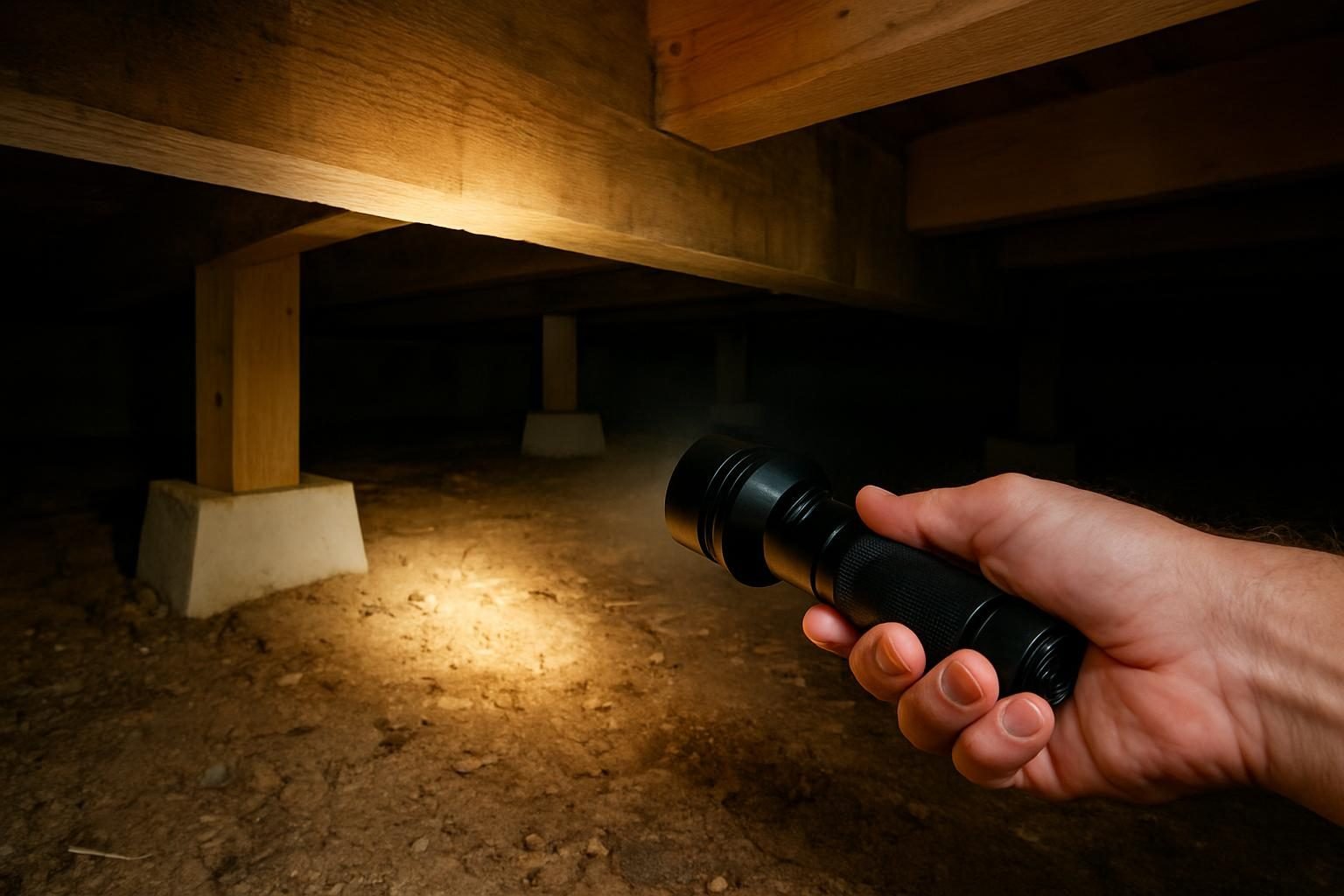
A professional termite inspection is a visual, hands-on review of the structure. The inspector looks at the exterior foundation, the crawl space or slab edge, the attic where relevant, and interior areas near plumbing and exterior walls. They use a flashlight, a probe, and sometimes a moisture meter.
You should come away with a written report that notes any active infestation, evidence of past activity, conditions that favor termites (like wood-to-soil contact or moisture), and what is and is not accessible to inspect.
Inspections when buying or selling
If you are buying in the area, a wood-destroying insect inspection is a standard part of due diligence. Lenders often want one, and in a military market where people PCS in and out constantly, it is routine. If you are new to the area, our Camp Lejeune PCS guide covers the wider move, and the neighborhoods guide helps you think about what kind of house and foundation you are shopping for.
Local tip: Ask the inspector to physically go into the crawl space rather than just checking the perimeter. Crawl spaces are where a lot of activity hides in Onslow County homes, and a report that says the area was not accessible is a report with a gap in it.
Termite Treatment Options
There are two mainstream approaches to treating subterranean termites, and many companies offer both. Which is better depends on your house, your soil, and your preferences.
| Treatment | How it works | Pros | Considerations |
|---|---|---|---|
| Liquid soil barrier | Trenching and treating soil around the foundation, plus drilling through slabs where needed | Fast-acting; creates a continuous treated zone | More invasive; hard around cisterns, wells and tight areas; needs proper application |
| Bait stations | Stations placed in the ground around the home are monitored and loaded with bait that colony members carry back | Less drilling; ongoing monitoring; targets the colony | Slower to eliminate a colony; depends on regular service visits |
| Wood treatment | Borate or similar applied to exposed wood, often in crawl spaces or during construction | Adds protection to the wood itself | Usually a supplement, not a stand-alone cure for active colonies |
| Spot or localized treatment | Targeted treatment of a limited area | Lower cost | Appropriate only in specific, confirmed situations |
Pricing varies widely based on home size, foundation type, treatment method and the extent of activity. Expect typical ranges rather than a flat number, and treat any quote as an estimate until the company has inspected your property. For more on how pricing works, watch for our upcoming termite treatment cost guide.
Questions to ask before choosing a treatment
- Is the company licensed for structural pest control in North Carolina?
- What product or system will be used, and why that one for my foundation?
- What exactly is treated: the whole perimeter, or only the active area?
- What does the warranty or bond cover if termites come back?
- Who does the work, and who does the follow-up visits?
The treatment matters less than the paperwork. Know exactly what the company will do if termites return.
Termite Bonds and Warranties Explained
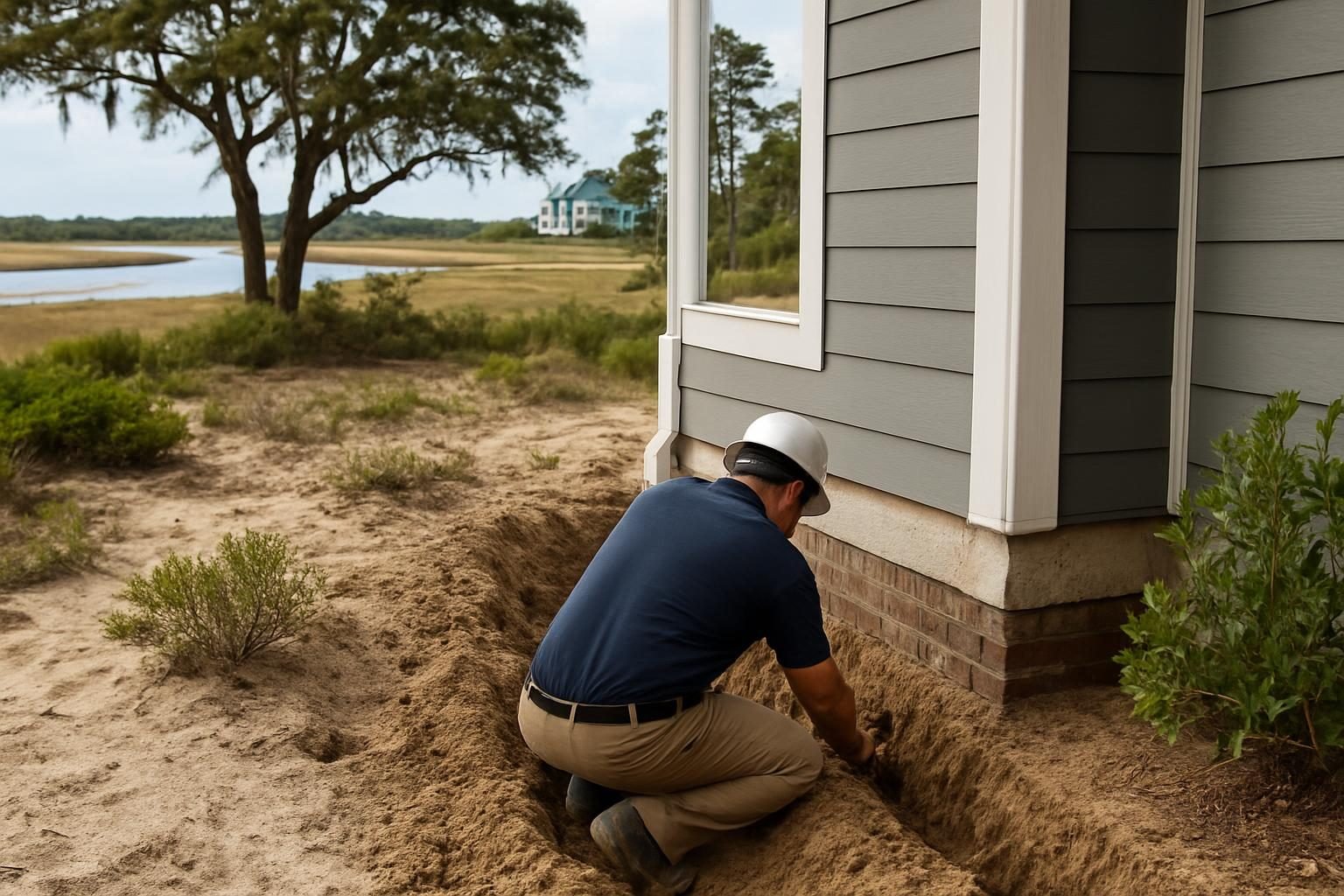
A termite bond is an annual service agreement. In exchange for a yearly fee, the company inspects your home and promises some level of response if termites are found. It is not insurance in the traditional sense, and the details vary a lot from company to company.
The two main kinds
- Retreatment bond: if termites come back, the company retreats the affected area at no extra charge. Damage repair is typically your responsibility.
- Repair or damage bond: covers retreatment and also some repair costs, usually with limits, exclusions and conditions.
Read the fine print. Look for coverage caps, what counts as new damage versus pre-existing damage, what you must do to keep the bond valid (such as keeping crawl space access clear), and whether the bond is transferable if you sell. Renewal pricing is also worth asking about, since some companies raise it over time.
For military families who may PCS in a few years, transferability matters. A transferable bond can be a selling point later, and a bond you cannot transfer may not be worth as much to you.
Termite Prevention for Coastal Homes
No homeowner steps are a substitute for professional treatment, but good habits shrink the odds and extend the life of any treatment. Our upcoming guide on how to prevent termites in coastal North Carolina homes goes deeper. The basics are:
- Control moisture: fix leaks, keep gutters and downspouts moving water away from the foundation, and make sure the ground slopes away from the house.
- Keep wood off the soil: stored lumber, firewood and mulch should not touch the foundation, and siding should clear the ground.
- Mind the mulch: keep it thin and pulled back from the foundation rather than piled against it.
- Ventilate and manage the crawl space: a damp, enclosed space is an invitation.
- Do a quick yearly walk-around: look for mud tubes and soft wood, especially after wet seasons and storms.
Local tip: After a hurricane or a heavy tropical rain, take a look at your foundation and crawl space once the water recedes. Saturated soil and storm-damaged siding or skirting can create new entry points, and our storm damage repair guide covers what to do next.
Crawl spaces and moisture
Many termite problems in this area are really moisture problems underneath the house. If your crawl space is damp, has standing water, or shows sagging insulation, address it alongside termite work. Look for our forthcoming guides on crawl space repair and crawl space encapsulation cost to weigh your options. If structural damage turns up, that can lead to a conversation about foundation repair cost as well.
How to Hire a Termite Control Company in Jacksonville
The company you pick matters as much as the method. Here is a practical way to approach it:
- Verify licensing: structural pest control in North Carolina is regulated, so confirm the company and the technician are properly licensed and insured.
- Get at least two written estimates: compare scope, not just price. A cheaper quote that skips the crawl space is not the same job.
- Ask for the contract and bond terms up front: in writing, before you commit.
- Be wary of pressure: scare tactics and same-day-only discounts are red flags. Termite damage is serious, but it does not usually change by the hour.
- Ask about follow-up: who returns, how often, and what happens if you see activity between visits.
The same common-sense vetting applies to other home trades, whether it is choosing a roofing contractor or hiring any service pro. If your house also needs other work, it helps to know the general landscape of local home services before you commit.
Ready to compare options? You can request termite control quotes from a vetted local pro using the form on this page.
FAQ: Termite Control in Jacksonville, NC
How often should I get a termite inspection in Jacksonville?
Most professionals recommend an inspection at least once a year in eastern North Carolina. If you have a bond, the annual renewal inspection usually covers this.
Does homeowners insurance cover termite damage?
Typically no. Standard homeowners policies generally exclude termite and pest damage as a maintenance issue. Check your own policy and ask your agent, because terms vary.
How long does termite treatment take?
A liquid treatment is often completed in a day or so for an average home, while bait systems involve an installation visit followed by ongoing monitoring. Your company can give you a timeline after inspecting the property.
Is it safe to stay in the house during treatment?
Modern termite treatments are applied mostly to soil and structural areas, and licensed applicators follow label directions. Ask the company about any specific precautions for pets, children and gardens before the work begins.
Can I treat termites myself?
Over-the-counter products may help with small, localized issues, but they rarely eliminate a hidden colony. For confirmed subterranean termites, professional treatment and documentation is the safer route, especially if you plan to sell.
Get free termite control quotes from Jacksonville pros
Tell us about your home and a vetted local termite pro will follow up with next steps and a written estimate.